

Purchase orlistat fast delivery generic
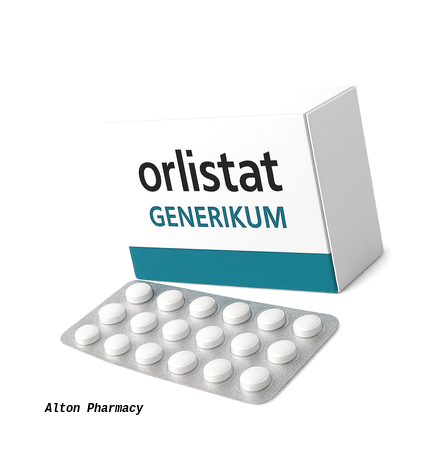
- Is orlistat available without prescription in the UK?
- What does Pharmacy medicine mean in the UK?
- General information about orlistat
- How orlistat affects fat absorption
- Price and availability information
- Strengths, formulations and pack types
- Orlistat for weight loss
- UK legal classification: GSL, P and POM
- Dietary and lifestyle considerations
- Orlistat compared with other weight loss treatments
- Food, exercise and behaviour changes
- Side effects and tolerability
- Long-term use and monitoring
- Warnings, contraindications and interactions
- Additional information about orlistat
Is orlistat available without prescription in the UK?
Yes. Specific over-the-counter orlistat products are authorised in the United Kingdom for self-care use in adults seeking to support weight loss as an adjunct to a reduced-calorie diet. Although orlistat has prescription uses for obesity management under medical supervision, the 60 mg or 120 mg non-prescription formulations (depending on product licence) can be supplied by a pharmacist without a prescription. Availability without prescription does not apply to all strengths, pack sizes or combination products.
What does Pharmacy medicine mean in the UK?
In UK medicine regulation, three main legal categories apply: Prescription Only Medicine (POM), Pharmacy medicine (P) and General Sales List medicine (GSL). A Pharmacy medicine can be supplied or sold in a pharmacy under the supervision of a pharmacist without a prescription. This classification ensures that professional advice is provided at the point of sale, which is especially important for medicines like orlistat that interact with dietary and lifestyle factors.
General information about orlistat
What is orlistat?
Orlistat is a lipase inhibitor that reduces the absorption of dietary fats in the digestive tract. By blocking around 25–30% of fat intake when taken with meals, orlistat promotes a negative energy balance, which can lead to weight loss when combined with calorie-controlled diet and physical activity.
How is orlistat classified?
Orlistat is classified as a gastrointestinal lipase inhibitor. It is not an appetite suppressant, nor does it act on central nervous pathways. Instead, it works locally within the gastrointestinal lumen.
What is the active ingredient?
The active pharmaceutical ingredient is orlistat, chemically known as tetrahydrolipstatin. Generic presentations contain the same active substance at identical strengths to branded products, meeting regulatory standards for quality, efficacy and safety.
Why take orlistat with meals?
Orlistat needs to be present in the gastrointestinal tract at the same time as dietary fats to inhibit the pancreatic and gastric lipases that digest triglycerides. It should be taken during or within one hour of meals to maximise fat-blocking effect.
Is orlistat an appetite suppressant?
No. Orlistat reduces fat absorption rather than influencing hunger or satiety directly. Diet control and behaviour modification remain central to weight management.
Can orlistat be used long term?
Over-the-counter orlistat is intended for short-term use (up to 12 weeks) to support initial weight loss. Longer use should be under medical supervision, with regular monitoring of nutritional status, vitamin levels and overall health.
How orlistat affects fat absorption
What is pancreatic lipase?
Pancreatic lipase is an enzyme secreted by the pancreas into the small intestine, essential for breaking down triglycerides into absorbable free fatty acids and monoglycerides.
How does orlistat inhibit lipase?
Orlistat forms a covalent bond with the active serine site on pancreatic and gastric lipases, rendering them inactive. This prevents hydrolysis of about a third of dietary triglycerides, which are then excreted undigested.
Does orlistat affect protein or carbohydrate absorption?
No. Orlistat selectively inhibits lipases and does not interfere with enzymes responsible for carbohydrate or protein breakdown. Carbohydrates and proteins are absorbed normally.
What happens to the unabsorbed fats?
Unabsorbed fats pass through the gastrointestinal tract and are excreted in the stool. This can lead to changes in stool consistency and frequency, which are common with orlistat use.
Can orlistat cause nutritional deficiencies?
Yes. Reduced fat absorption can impair uptake of fat-soluble vitamins (A, D, E, K) and essential fatty acids. Patients are often advised to take a multivitamin supplement at least two hours before or after orlistat dosing.
Why combine orlistat with a low-fat diet?
A reduced-fat, calorie-controlled diet minimises gastrointestinal side effects, helps maintain nutrient balance and enhances weight loss outcomes in combination with orlistat therapy.
Price and availability information
How much does OTC orlistat cost in the UK?
Prices for over-the-counter orlistat can vary by brand, pack size, formulation and retailer. Alton Pharmacy aims to offer cheap and lower-cost generic options, allowing you to buy orlistat online at a competitive price. For exact costs, please contact the pharmacy or visit our website.
Why do prices vary between products?
Price differences reflect licensing status, pack size, marketing costs, retailer mark-up and economies of scale. Generic orlistat products are typically cheaper than branded equivalents, providing a cost-effective alternative without compromising quality.
| Example | Strength | Formulation | Price | Status | Note |
|---|---|---|---|---|---|
| Generic A | 120 mg | Capsules | Not stated | Information only | Ask for current price and availability |
| Generic B | 60 mg | Capsules | Not stated | Information only | Licensed for short-term use |
Can I purchase orlistat without prescription?
Yes, specific non-prescription orlistat products are designated as Pharmacy (P) medicines in the UK and can be supplied by a pharmacist without a prescription for adults meeting criteria such as BMI ≥28 kg/m² or under professional advice.
Strengths, formulations and pack types
Which strengths are authorised OTC?
Non-prescription orlistat is available in 60 mg and sometimes 120 mg strengths, depending on the product licence. Prescription formulations, such as Orlistat 120 mg capsules, require a valid prescription from a qualified prescriber.
What formulations exist?
Orlistat is available as hard gelatin capsules. Some branded products may include extended or targeted-release coatings, while generics typically match the reference medicine’s release profile.
Why does pack size matter?
Pack size determines the maximum duration of use under non-prescription status. OTC pack sizes are usually limited to a four-week supply, while larger packs require a prescription.
| Feature | Why it matters |
| Strength | Determines dose per meal |
| Formulation | Ensures correct release |
| Pack size | Limits duration of self-care use |
| Legal category | Controls supply route |
Are generic and branded orlistat identical?
Yes, when authorised as therapeutically equivalent, generics contain the same active ingredient at the same strength and must demonstrate bioequivalence to the branded product.
Orlistat for weight loss
How effective is orlistat?
Clinical trials show that orlistat combined with lifestyle changes can produce greater weight loss than diet alone. Average additional weight loss ranges from 3% to 5% of initial body weight over six months.
Who may benefit most?
Adults with overweight (BMI ≥25 kg/m²) or obesity (BMI ≥30 kg/m²), especially those with weight-related risk factors like hypertension or dyslipidaemia, often see the greatest benefit when orlistat is used as part of a comprehensive programme.
When to stop therapy?
If a patient has not lost at least 5% of their initial body weight after 12 weeks of orlistat therapy combined with diet, it may be discontinued, and alternative approaches considered.
Does orlistat prevent weight regain?
Continued lifestyle interventions are crucial. Orlistat may help maintain initial weight loss, but long-term success depends on sustained dietary and behavioural changes.
UK legal classification: GSL, P and POM
What is a POM?
A Prescription Only Medicine requires a valid prescription for supply. Most orlistat 120 mg large packs fall into this category.
What is a Pharmacy medicine?
Pharmacy medicines can be supplied by a pharmacist without a prescription. Non-prescription orlistat in limited pack sizes is classified as P to ensure professional oversight.
What is a GSL medicine?
General Sales List medicines may be sold in non-pharmacy outlets. Orlistat is not classified as GSL due to the need for pharmacist supervision.
Is all orlistat OTC in the UK?
No. Only specific pack sizes and strengths of orlistat are available as Pharmacy medicine. Prescription use covers higher strengths and longer durations.
Who decides classification?
The MHRA regulates medicine classifications, taking into account safety, indication, pack size, duration of use and the need for professional advice.
Dietary and lifestyle considerations
Why follow a low-fat diet?
Minimising dietary fat decreases gastrointestinal side effects such as oily spotting and urgency, and enhances weight loss by reducing unblocked fat intake.
What dietary advice is recommended?
Distribute fat intake evenly across three main meals, avoid high-fat snacks, consume plenty of fibre, fruit and vegetables, and choose lean protein sources.
Why add physical activity?
Exercise increases energy expenditure, supports maintenance of lean body mass and improves cardiovascular health, complementing orlistat’s mechanism of action.
Can behaviour modification help?
Strategies such as self-monitoring, goal setting and stimulus control support adherence to diet and exercise plans, enhancing the overall success of orlistat therapy.
Orlistat compared with other weight loss treatments
How does orlistat compare to appetite suppressants?
Appetite suppressants act centrally to reduce hunger, whereas orlistat works peripherally by blocking fat absorption. Both approaches can be effective but suit different patient preferences and risk profiles.
How does orlistat compare to GLP-1 agonists?
GLP-1 receptor agonists like liraglutide mimic gut hormones to enhance satiety and slow gastric emptying. They often produce greater weight loss but require injection and monitoring, whereas orlistat is oral.
How does orlistat compare to dietary supplements?
Many supplements lack robust evidence. Orlistat is a licensed medicine with well-characterised efficacy and safety, offering a reliable option versus unregulated preparations.
| Feature | Orlistat | Appetite suppressant | GLP-1 agonist |
| Mechanism | Lipase inhibitor | Central appetite reduction | Satiety hormone mimic |
| Administration | Oral capsules | Oral tablets | Injectable |
| OTC availability | Yes (limited) | No | No |
| Typical weight loss | 3–5% extra | Variable | 8–12%+ |
Food, exercise and behaviour changes
What role does meal timing play?
Regular meal patterns help distribute fat intake evenly with doses of orlistat to maximise efficacy and reduce side effects.
How much exercise is recommended?
At least 150 minutes of moderate-intensity aerobic activity per week, plus muscle-strengthening exercises on two days, supports weight loss maintenance.
Can stress management help?
Chronic stress may influence eating behaviours. Techniques like mindfulness, relaxation exercises and adequate sleep contribute to successful weight management.
Why is water intake important?
Adequate hydration supports overall health, helps manage appetite and flushes waste products, including unabsorbed fats, through the digestive system.
Side effects and tolerability
Can orlistat cause gastrointestinal side effects?
Yes. Common effects include oily spotting, flatulence with discharge, urgent bowel movements, faecal incontinence and oily stools. Severity often decreases over time and with dietary fat reduction.
What systemic side effects exist?
Orlistat is minimally absorbed, so systemic side effects are rare. Occasional headaches, respiratory infections or gastrointestinal discomfort are documented but uncommon.
Can allergic reactions occur?
Hypersensitivity is rare but can present as angioedema or severe skin rash, requiring immediate discontinuation and medical attention.
Why supplement with vitamins?
Orlistat reduces absorption of fat-soluble vitamins, so daily multivitamin supplementation is advised, taking it at least two hours before or after orlistat to avoid interaction.
| Area | Examples |
| Gastrointestinal | Oily stools, flatulence, urgency |
| Systemic | Headache, upper respiratory infections |
| Allergic | Skin rash, angioedema |
| Long-term considerations | Vitamin deficiency risk |
Long-term use and monitoring
Why limit self-care duration?
Non-prescription orlistat licences typically allow up to 12 weeks of use. Extended therapy requires clinical review to evaluate efficacy, side effects and nutritional status.
What should be monitored?
Body weight, BMI, waist circumference, fat-soluble vitamin levels and overall dietary adequacy should be assessed periodically during long-term orlistat use.
When to seek medical advice?
If significant weight loss is not achieved, gastrointestinal side effects persist, or alarm symptoms such as severe abdominal pain occur, professional evaluation is necessary.
Can orlistat help maintain weight loss?
Under medical supervision, continued orlistat alongside lifestyle interventions may support weight maintenance, but the benefit must be weighed against potential nutrient deficiencies.
Warnings, contraindications and interactions
Who should avoid orlistat?
- Individuals with chronic malabsorption syndromes;
- Those with cholestasis or biliary disorders;
- People with a history of oxalate kidney stones;
- Pregnant or breastfeeding women unless advised by a healthcare professional;
- Children under 18 years old;
- Patients on ciclosporin or other drugs requiring high bile concentrations.
Can orlistat interact with other medicines?
Yes. Orlistat can reduce cyclosporin absorption and alter uptake of anticonvulsants. Timing of multivitamin and thyroid hormone dosing must be managed to avoid interference.
Why monitor fat-soluble vitamins?
Prolonged fat malabsorption may cause deficiencies of vitamins A, D, E and K. Monitoring and supplementation are essential to prevent clinical complications like bleeding or bone demineralisation.
Is orlistat safe in liver disease?
Caution is advised in moderate to severe hepatic impairment due to potential changes in drug metabolism and nutritional risk. Professional evaluation is recommended before use.
Why watch for gallbladder issues?
Orlistat-induced weight loss can occasionally precipitate gallstone formation. Patients developing biliary pain should undergo further assessment.
Additional information about orlistat
What does “generic orlistat” mean?
Generic orlistat contains the same active ingredient as the reference branded medicine and meets strict regulatory requirements for bioequivalence, quality and safety. Inactive ingredients may differ.
Why can two orlistat products differ?
Differences can include excipients, capsule shell materials, pack design and labelling. However, therapeutic effect remains equivalent when products are licensed as generic equivalents.
Why is exact product information important?
The Summary of Product Characteristics and patient information leaflet for each authorised medicine detail indications, contraindications, dosing instructions and safety information specific to that product.
Where to verify UK medicine information?
Reliable sources include the MHRA, electronic Medicines Compendium (emc), NICE guidelines and professional pharmacy advice. Always consult the authorised product documents for precise information.
Does this replace pharmacist advice?
No. This page provides general information by Alton Pharmacy, 68 High Street, Alton, Hampshire GU34 1ET. For personalised guidance, please speak with our pharmacy team or seek medical advice tailored to your circumstances.
All Services
Opening Hours
| Monday – Friday | 9.00 – 19.00 |
| Saturday | 9.00 – 13:00 |
| Sunday | Closed |
| Holidays | Closed |
Quick Contact
- Address 68 High Street, Alton, Hampshire, GU34 1ET
- Email [email protected]
- Phone 01420 83176
