

Purchase cipro generic best price
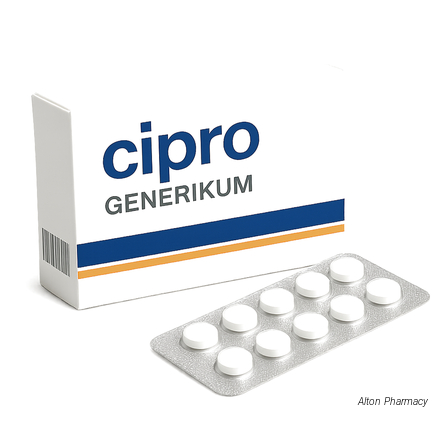
- Is Cipro available without prescription in the UK?
- What does Prescription Only Medicine mean in the UK?
- General information about ciprofloxacin
- How Cipro works against bacteria
- Price and availability information
- Strengths, formulations and pack types
- Conditions treated by Cipro
- UK legal classification: POM
- Alternatives to ciprofloxacin
- Cipro compared with other antibiotics
- Food, alcohol and lifestyle considerations
- Side effects and tolerability
- Antibiotic resistance and long-term use
- Warnings, contraindications and interactions
- Additional information about generic Cipro
Is Cipro available without prescription in the UK?
Ciprofloxacin (Cipro) is a fluoroquinolone antibiotic used to treat a wide range of bacterial infections. In the United Kingdom, Cipro is classified as a Prescription Only Medicine (POM). That means it cannot be legally supplied or sold without a valid prescription from a qualified healthcare professional. Online retailers or pharmacies stating “buy Cipro without prescription” operate outside UK regulations or may be based overseas. Alton Pharmacy complies fully with MHRA requirements: all antibiotic sales require a valid UK prescription.
Attempts to order or purchase Cipro “over the counter” in the UK without prescription are against the law and may put your health at risk. Self-medication with potent antibiotics can lead to inappropriate use, masking of serious conditions, side effects, or antibiotic resistance. Always consult your GP or a registered pharmacist before starting any antibiotic therapy.
What does Prescription Only Medicine mean in the UK?
The United Kingdom categorises medicines into three legal supply classes:
- Prescription Only Medicine (POM): Requires a valid prescription from a doctor, dentist, nurse prescriber or other authorised prescriber. Includes most antibiotics, strong painkillers, and specialist medicines.
- Pharmacy Medicine (P): Available without prescription but only sold under the supervision of a pharmacist. Includes some antihistamines, treatments for minor infections, and specialist topical preparations.
- General Sales List (GSL): Can be sold in retail outlets without a pharmacist, subject to conditions. Includes basic first-aid treatments and simple analgesics at low doses.
Ciprofloxacin’s classification as POM reflects its potency and the need for professional oversight to guide correct use, monitor for potential side effects, and prevent antimicrobial resistance.
General information about ciprofloxacin
What is ciprofloxacin?
Ciprofloxacin is a broad-spectrum antibiotic belonging to the fluoroquinolone class. It is widely prescribed for urinary tract infections (UTIs), respiratory infections, bone and joint infections, gastroenteritis, and some sexually transmitted infections. It is also used as a preventive measure in exposure to certain serious infections, such as anthrax.
What are fluoroquinolones?
Fluoroquinolones are synthetic antibiotics derived from earlier quinolones. They act by inhibiting bacterial enzymes essential for DNA replication and cell division—namely DNA gyrase and topoisomerase IV. Other members include levofloxacin, moxifloxacin and norfloxacin. Resistance and safety considerations have narrowed their recommended uses.
What is the active ingredient?
The active pharmaceutical ingredient is ciprofloxacin hydrochloride. Generic products must meet strict quality, safety and efficacy standards set by the MHRA. Inactive ingredients (excipients) may vary between manufacturers, affecting tablet appearance, coating and disintegration profile.
Why are some formulations modified-release?
Modified-release or extended-release tablets are designed to prolong the release of the active ingredient, providing more consistent blood levels and allowing once-daily dosing in certain conditions. Immediate-release forms are used when rapid onset or flexible dosing is required.
Is Cipro effective against every bacterial infection?
No. Ciprofloxacin is not universally effective. Its antibacterial spectrum includes many Gram-negative and some Gram-positive organisms, but susceptibility patterns vary. Some strains have intrinsic or acquired resistance. Cultures and susceptibility testing guide appropriate antibiotic choice.
Is Cipro an antiviral or antifungal?
No. Cipro targets bacterial DNA replication enzymes; it is not active against viruses or fungi.
Why is Cipro used for different infection sites?
Ciprofloxacin achieves good tissue penetration in the urinary tract, respiratory tract, bone, joints, soft tissues and skin, making it a versatile antibiotic for multiple indications when used appropriately.
How Cipro works against bacteria
What is DNA gyrase?
DNA gyrase (topoisomerase II) introduces negative supercoils into bacterial DNA, which is crucial for replication and transcription. Topoisomerase IV separates interlinked daughter DNA molecules during cell division. Fluoroquinolones inhibit these enzymes.
How does ciprofloxacin inhibit bacterial replication?
Ciprofloxacin binds to the enzyme-DNA complex, stabilising it and preventing the resealing of DNA breaks. This disruption leads to double-strand breaks and rapid bacterial cell death in susceptible organisms.
Is resistance a concern?
Yes. Bacterial resistance can arise through mutations in target enzymes, reduced drug uptake (efflux pumps), or plasmid-mediated mechanisms. Antibiotic stewardship and correct dosing are vital to limit resistance development.
Does Cipro kill bacteria or just stop growth?
Ciprofloxacin is primarily bactericidal, meaning it kills susceptible bacteria rather than merely inhibiting their growth.
Can Cipro affect human cells?
Ciprofloxacin targets bacterial enzymes that are different from human topoisomerases, giving it selective toxicity. However, off-target effects can contribute to side effects in human tissues.
Why is dosing important?
Adequate dosing ensures effective bacterial eradication while minimising toxicity and resistance. Dosing regimens are based on infection type, severity, patient age, renal function and other factors.
Price and availability information
How much does generic Cipro cost in the UK?
Pricing for generic ciprofloxacin varies between pharmacies, pack size, and strength. Online pharmacies may advertise cheaper rates, but all UK suppliers require a prescription for legal supply. The following table provides example prices at Alton Pharmacy for information only; contact the pharmacy directly for current availability and exact pricing.
| Example | Strength | Formulation | Price | Status | Note |
|---|---|---|---|---|---|
| Cipro Generic A | 250 mg | Immediate-release tablets, 20 pack | Not stated | Information only | Ask Alton Pharmacy for availability and price |
| Cipro Generic B | 500 mg | Immediate-release tablets, 10 pack | Not stated | Information only | Valid UK prescription required |
| Extended Release C | 500 mg | Modified-release tablets, 10 pack | Not stated | Information only | Specific prescription formulation |
Prices depend on distributor agreements, pack size, and retailer pricing strategies. A lower price does not imply inferior quality if both products share the same MHRA authorisation.
Strengths, formulations and pack types
What strengths of ciprofloxacin are marketed?
Ciprofloxacin is available in multiple oral strengths including 250 mg, 500 mg and 750 mg as immediate-release or modified-release tablets. Intravenous formulations exist for hospital use and severe infections.
What formulations are available?
Oral immediate-release tablets, modified-release tablets, oral suspensions, and injectable solutions are authorised for specific indications. The formulation is chosen based on patient needs, infection severity, and site of treatment.
Why does pack size matter?
Pack size determines the maximum duration of treatment covered and can influence legal supply controls. For example, a 10-tablet pack may cover short-course therapy, while larger packs require careful oversight to avoid misuse.
| Feature | Why it matters |
| Strength | Determines dose per tablet |
| Formulation | Affects release profile and dosing frequency |
| Pack size | Limits quantity supplied per prescription |
| Legal category | Ensures appropriate professional oversight |
| Excipients | Can affect tolerability and bioavailability |
Are generic and branded ciprofloxacin identical?
Generics contain the same active ingredient in the same strength and must demonstrate bioequivalence to the reference product. However, excipients, coatings, and tablet design may differ, which can affect patient preference or tolerability.
Conditions treated by Cipro
Urinary tract infections (UTIs)
Ciprofloxacin is commonly prescribed for complicated UTIs, pyelonephritis, and recurrent infections when first-line agents are unsuitable or resistance is suspected.
Respiratory tract infections
Includes severe community-acquired pneumonia, bronchitis, and exacerbations of chronic bronchiectasis. Fluoroquinolones are reserved for patients with allergy to other antibiotics or when pathogens display resistance.
Gastrointestinal infections
Ciprofloxacin treats traveller’s diarrhoea, infectious diarrhoea due to certain Gram-negative bacteria, and shigellosis under medical supervision.
Bone and joint infections
Used as part of combination therapy for osteomyelitis and septic arthritis where Gram-negative pathogens are involved.
Sexually transmitted infections
Historically used for gonorrhoea, but rising resistance has limited its role.
Anthrax exposure
Ciprofloxacin is authorised for post-exposure prophylaxis and treatment of inhalational anthrax under specific national stockpile protocols.
Other off-label uses
Some clinicians may prescribe Cipro in specialist settings for unusual infections, but such use requires careful risk–benefit assessment.
UK legal classification: POM
Why is Cipro POM?
Due to its potency, spectrum, potential side effects, and the risk of promoting antibiotic resistance, ciprofloxacin is strictly regulated. UK law mandates a valid prescription for supply.
Can a pharmacist supply Cipro without prescription?
No. Pharmacies must obtain and retain a valid prescription before dispensing. Pharmacists may offer advice on antibiotic use, but cannot override prescription requirements.
Who regulates antibiotic classification?
The Medicines and Healthcare products Regulatory Agency (MHRA) oversees medicine classification, authorisation, and post-marketing surveillance in the UK.
Can classification change?
Reclassification of antibiotics is rare and subject to rigorous review. Public health priorities and resistance patterns guide any change in supply status.
Alternatives to ciprofloxacin
Other antibiotic classes
- Penicillins (e.g., amoxicillin, co-amoxiclav)
- Cephalosporins (e.g., cefalexin, cefuroxime)
- Macrolides (e.g., azithromycin, clarithromycin)
- Tetracyclines (e.g., doxycycline)
- Sulfonamides (e.g., trimethoprim-sulfamethoxazole)
Choice depends on infection type, local resistance patterns, allergy status and patient factors.
Why not always use fluoroquinolones?
Because of potential side effects (tendon injury, QT prolongation, CNS effects) and the risk of resistance, fluoroquinolones are reserved for specific indications when first-line agents are contraindicated or ineffective.
Cipro compared with other antibiotics
| Feature | Ciprofloxacin | Amoxicillin | Macrolides |
| Drug class | Fluoroquinolone | Penicillin | Macrolide |
| Spectrum | Broad (Gram-negative focus) | Narrow to moderate | Moderate (respiratory focus) |
| OTC availability | No (POM) | No (POM for infections) | No (POM) |
| Main use | Complicated infections | Common infections | Respiratory and atypical pathogens |
Is one antibiotic always better?
No. Clinical decision-making considers efficacy, safety, allergy profile, local resistance, patient factors and cost. A narrow-spectrum agent is often preferred to limit resistance pressure.
Food, alcohol and lifestyle considerations
Can food affect absorption?
Ciprofloxacin absorption may be reduced by dairy products and calcium-fortified foods if taken simultaneously. Space dosing by at least 2 hours from milk or antacids containing magnesium or aluminium.
Can alcohol affect therapy?
Moderate alcohol consumption does not directly reduce ciprofloxacin efficacy, but alcohol can exacerbate side effects like dizziness and gastrointestinal upset. Avoid excessive alcohol during treatment.
Does smoking matter?
Smoking may impair immune function and tissue healing but does not appear to directly inhibit ciprofloxacin action. Quitting smoking has overall health benefits.
Can exercise cause problems?
Fluoroquinolones carry a small risk of tendonitis and tendon rupture, especially in older adults and those on corticosteroids. Avoid strenuous exercise if you experience tendon pain.
Side effects and tolerability
Common side effects
| System | Examples |
| Gastrointestinal | Nausea, diarrhoea, abdominal pain |
| Nervous system | Dizziness, headache, sleep disturbances |
| Musculoskeletal | Tendon pain or inflammation |
| Skin | Rash, photosensitivity |
Serious adverse effects
- Tendon rupture or tendinopathy
- Peripheral neuropathy
- QT prolongation and arrhythmias
- Severe hypersensitivity reactions
- Clostridioides difficile–associated diarrhoea
Report any alarming symptoms such as severe joint pain, confusion, signs of allergic reaction, or persistent diarrhoea to your healthcare provider immediately.
Antibiotic resistance and long-term use
Why does resistance matter?
Inappropriate or prolonged antibiotic use promotes resistant bacterial strains. Resistance can lead to treatment failure and the spread of hard-to-treat infections.
Is Cipro safe for long-term therapy?
Ciprofloxacin is not intended for indefinite use. Long courses or repeated courses require close clinical review, monitoring for side effects, and consideration of alternative agents.
What is antibiotic stewardship?
Stewardship programs aim to optimise antibiotic use by prescribing the right drug, dose and duration. This preserves effectiveness and minimises resistance and side effects.
Can resistance be reversed?
Some resistance trends can decline with reduced antibiotic pressure, but others become entrenched. Judicious prescribing and infection control are essential to curb spread.
Warnings, contraindications and interactions
Who should avoid ciprofloxacin?
- Patients with a history of tendon disorders related to fluoroquinolone use
- Those with known QT prolongation or on QT-prolonging drugs
- People with myasthenia gravis
- Children and growing adolescents unless no alternatives (risk of joint issues)
- Pregnant or breastfeeding women (risk–benefit must be assessed)
Can Cipro interact with other medicines?
Ciprofloxacin interacts with antacids, sucralfate, iron supplements, and other drugs affecting CYP1A2. It can increase levels of theophylline, warfarin and certain antipsychotics. Check all concomitant medicines before starting therapy.
Why is renal dosing important?
Ciprofloxacin is partly excreted unchanged by the kidneys. Dose adjustment is required for patients with reduced renal function to avoid accumulation and toxicity.
What about allergy and hypersensitivity?
Serious allergic reactions, including anaphylaxis, have been reported. Discontinue and seek medical attention if rash, facial swelling, breathing difficulty or severe symptoms develop.
Additional information about generic Cipro
What does “generic ciprofloxacin” mean?
Generic ciprofloxacin contains the same active ingredient and must meet regulatory standards for quality, safety and efficacy. Inactive ingredients may vary, influencing tablet appearance and disintegration.
Why do leaflets differ between products?
Different manufacturers may have distinct authorised indications, excipients, packaging, and legal wording even for identical active ingredient and strength.
How should Cipro be stored?
Store at room temperature away from moisture and heat. Keep in original packaging to protect from light. Discard unused or expired medicine properly.
Where can UK medicine information be verified?
Consult the MHRA website, the electronic Medicines Compendium (eMC), official product leaflets supplied with the medicine, or speak to a qualified pharmacist or prescriber.
Does this information replace professional advice?
No. This page is for general information published by Alton Pharmacy, 68 High Street, Alton, Hampshire GU34 1ET. Always consult a healthcare professional for diagnosis, prescription, and tailored treatment advice.
All Services
Opening Hours
| Monday – Friday | 9.00 – 19.00 |
| Saturday | 9.00 – 13:00 |
| Sunday | Closed |
| Holidays | Closed |
Quick Contact
- Address 68 High Street, Alton, Hampshire, GU34 1ET
- Email [email protected]
- Phone 01420 83176
