

Order diflucan best price without prescription
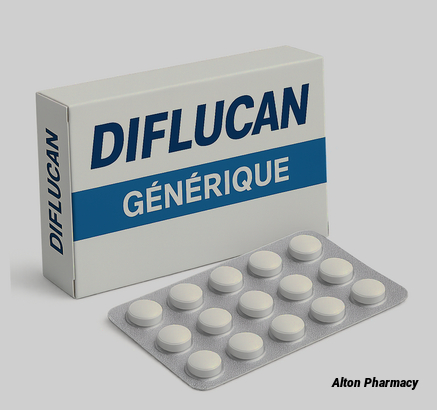
- Is Diflucan available without prescription in the UK?
- What does Pharmacy medicine mean in the UK?
- General information about fluconazole
- How Diflucan works
- Price and availability information
- Strengths, formulations and pack types
- Indications: treatment of fungal infections
- UK legal classification: GSL, P and POM
- Alternatives to fluconazole
- Diflucan compared with other antifungal medicines
- Food, alcohol and lifestyle considerations
- Side effects and tolerability
- Long-term use and repeated courses
- Warnings, contraindications and interactions
- Additional information about Diflucan
Is Diflucan available without prescription in the UK?
Yes. Certain generic fluconazole products branded as Diflucan or under generic names are authorised for limited supply in UK pharmacies without a prescription. This self-care option is aimed at short courses of treatment for specific fungal infections. However, not every pack size, strength or formulation is available as a Pharmacy medicine (P). Some Diflucan doses and larger quantities remain Prescription Only Medicines (POM).
Availability without prescription simplifies purchase: you can buy online, order by phone or visit a UK pharmacy counter to purchase Diflucan without prescription, subject to pharmacist approval and assessment.
What does Pharmacy medicine mean in the UK?
In the UK, human medicines are classified into three categories: Prescription Only Medicine (POM), Pharmacy medicine (P) and General Sales List medicine (GSL). A Pharmacy medicine can be supplied without a prescription but only through a registered pharmacy under pharmacist supervision. Diflucan is typically supplied as a Pharmacy medicine when packaged in small, short-course packs, ensuring safe and appropriate use.
General information about fluconazole
What is fluconazole?
Fluconazole is an antifungal agent in the triazole class. It treats a broad range of fungal infections by interfering with the fungal cell membrane synthesis. Diflucan is a widely recognised brand of fluconazole, with generic alternatives available at a cheaper price.
How do azole antifungals work?
Azoles inhibit an enzyme called lanosterol 14α-demethylase, critical for converting lanosterol to ergosterol, a major component of fungal cell membranes. Inhibition disrupts membrane integrity, leading to increased permeability and fungal cell death.
Why choose a generic fluconazole?
Generic products contain the same active ingredient and must meet regulatory standards for quality, safety and efficacy. Generics are often cheaper or cheaper per dose, representing good value for short courses or repeated treatment.
Are all fluconazole courses the same?
Course length, dosage strength and indication can vary. Common non-prescription courses treat vaginal thrush or mild cutaneous fungal infections and typically range from a single 150 mg dose to 50–100 mg daily for up to two weeks.
Is Diflucan an antibiotic?
No. Fluconazole is an antifungal, not an antibacterial. It has no effect on bacteria or viruses. For bacterial infections, different medicines such as antibiotics are required.
Is fluconazole effective against all fungi?
Fluconazole has potent activity against many species of Candida and some other yeasts and dermatophytes, but resistance can occur. Certain fungi, including moulds like Aspergillus, may require alternative or combination therapy.
Why is generic screening important?
Products authorised as interchangeable generics undergo bioequivalence testing, ensuring the same therapeutic effect as the reference medicine. Pack labels and patient leaflets can differ but active ingredient and dosing remain consistent.
How Diflucan works
What happens when you take fluconazole?
After oral ingestion, fluconazole is absorbed in the gastrointestinal tract with high bioavailability (>90%). It penetrates well into body fluids, including vaginal tissues, cerebrospinal fluid, saliva and plasma, reaching therapeutic concentrations to inhibit fungal growth.
What is the typical onset of action?
Peak blood concentration occurs 1–2 hours after a single oral dose. Clinical improvement in fungal infections may be seen within 24–48 hours for susceptible organisms, but full resolution can take days to weeks depending on the infection site.
Does food affect absorption?
Fluconazole absorption is not significantly affected by food. It can be taken with or without meals, offering convenience. However, stick to a consistent routine if multiple doses are prescribed.
How is fluconazole metabolised?
Fluconazole is partially metabolised by the liver via CYP450 enzymes but is predominantly excreted unchanged in urine. Dose adjustments may be necessary in renal impairment.
How does the drug reach infection sites?
High lipophilicity and water solubility allow fluconazole to penetrate tissues, including mucosal surfaces and skin layers, making it effective for topical and systemic infections.
Can resistance develop?
Yes. Prolonged or repeated courses can select for resistant fungal strains. Rotate or review therapy if breakthrough infections occur during adequate dosing.
Price and availability information
How much does non-prescription Diflucan cost in the UK?
Prices vary by pack size, strength, brand vs generic, and retailer. Here at Alton Pharmacy you can order cheap, generic fluconazole online without prescription. For live prices and stock, please check our website or contact us directly.
Why do prices differ?
Cost differences can reflect manufacturer, distribution, pack size, formulation (e.g. tablet vs capsule), and retailer margin. A lower price does not imply inferior quality when the product is a licensed generic.
| Example | Strength | Formulation | Price | Status | Note |
|---|---|---|---|---|---|
| Single Dose | 150 mg | Tablet | £5.99 | OTC (P) | One-time treatment for vaginal thrush |
| Weekly Course | 50 mg | Capsules × 7 | £12.49 | OTC (P) | Skin and nail infections |
| Prescription Pack | 100 mg | Capsules × 14 | £24.99 | POM | Prescription required |
Strengths, formulations and pack types
Which strengths are available OTC?
Non-prescription packs usually include a single 150 mg tablet or small packs of 50 mg or 100 mg capsules for skin infections. Larger or more prolonged courses require a prescription (POM).
What formulations exist?
Fluconazole is offered as oral tablets, capsules and, in prescription-only form, oral suspension. Non-prescription tablets and capsules provide the most convenient and stable dosing.
Why pack size matters?
Legal classification, approved indication and maximum duration depend on pack size. Small packs (e.g., one tablet) are OTC, while larger pack presentations are POM.
| Feature | Why it matters |
| Dosage strength | Determines clinical indication and duration |
| Formulation | Affects storage and dosing convenience |
| Pack size | Regulates legal status and self-care limits |
| Generic vs brand | Same efficacy, price may vary |
| Legal category | Controls supply route |
Are generic and branded fluconazole identical?
Yes for active ingredient and efficacy. Excipients, colour and packaging may differ. All licensed generics meet strict MHRA standards.
Indications: treatment of fungal infections
What is vaginal thrush?
An overgrowth of Candida in the vaginal mucosa causing itching, discharge and discomfort. A single 150 mg dose of fluconazole often resolves symptoms.
What about oral thrush?
Candida infection in the mouth and throat. Prescription products or longer courses may be needed; OTC fluconazole is typically not indicated without specialist advice.
How is athlete’s foot treated?
Topical antifungals are first-line, but oral fluconazole (50–100 mg daily for 2–4 weeks) may be used if topical therapy fails, with prescription required.
What about nail infections?
Onychomycosis can require prolonged systemic treatment. Fluconazole is off-label for nail infections, with prescription courses of 150–300 mg weekly for 3–6 months often used.
Can Diflucan treat systemic infections?
Serious systemic or invasive fungal infections require prescription-only, supervised therapy in a clinical setting rather than OTC self-treatment.
Is fluconazole used in HIV patients?
Yes, high-dose fluconazole is used for candidiasis in immunocompromised patients, but always under specialist supervision.
UK legal classification: GSL, P and POM
What is a POM?
A Prescription Only Medicine requires a valid prescription from a qualified prescriber.
What is a Pharmacy medicine?
A Pharmacy medicine (P) can be sold without prescription under pharmacist oversight. Diflucan single-dose packs fall into this category.
What is a GSL medicine?
A General Sales List medicine can be sold in non-pharmacy outlets if specified conditions are met. Fluconazole does not fall under GSL.
Why can the same fluconazole have different classifications?
Classification depends on pack size, strength, indication, maximum treatment duration and safety considerations determined by the MHRA.
How is classification regulated?
The Medicines and Healthcare products Regulatory Agency (MHRA) approves, classifies and periodically reviews medicines to ensure safe supply.
Alternatives to fluconazole
What other antifungal classes exist?
- Azoles (itraconazole, ketoconazole, miconazole);
- Allylamines (terbinafine);
- Echinocandins (caspofungin) – hospital use;
- Polyenes (nystatin, amphotericin B);
- Over-the-counter topicals (clotrimazole, econazole).
Why choose topical over oral?
For limited superficial infections, topical creams or powders may suffice, reducing systemic exposure and potential interactions.
Why choose itraconazole?
Itraconazole has a broader spectrum but requires food for better absorption and has more extensive drug interactions.
Diflucan compared with other antifungal medicines
How does fluconazole compare with itraconazole?
Both are triazoles. Fluconazole has better CSF penetration, fewer interactions, and once-daily dosing, but a narrower spectrum than itraconazole.
How does fluconazole compare with terbinafine?
Terbinafine is an allylamine used mainly for dermatophyte infections. It accumulates in skin and nails but has a different mechanism and side effect profile.
| Feature | Fluconazole | Itraconazole | Terbinafine |
| Main use | Candida infections | Broad systemic and dermatophyte infections | Dermatophyte infections |
| OTC availability | Limited (P) | No (POM) | No (POM) |
| Drug interactions | Moderate | High | Moderate |
| Administration | Once daily | Once or twice daily | Once daily |
Is one antifungal always better?
No. Choice depends on the infecting organism, site, patient factors, potential drug interactions and safety profile. Pharmacist advice or medical diagnosis is essential for prescription-only treatments.
Food, alcohol and lifestyle considerations
Can diet influence fungal infections?
Diet does not cure infections but maintaining balanced nutrition, managing blood sugar in diabetics and reducing dietary sugars may help control Candida overgrowth.
Can alcohol affect treatment?
Moderate alcohol consumption does not significantly affect fluconazole, but heavy drinking may alter liver function and should be avoided during treatment.
Does smoking matter?
Smoking can impair immune response and wound healing, potentially prolonging fungal infections in oral or cutaneous sites.
Why maintain good hygiene?
Proper drying of skin folds, underwear changes and avoiding occlusive clothing reduce fungal proliferation.
Can probiotics help?
Probiotics may support healthy microbial flora, but evidence varies. They can be used adjunctively for vaginal thrush prevention after antibiotic courses.
Side effects and tolerability
Can Diflucan cause side effects?
Yes. Common side effects include headache, nausea, abdominal pain and diarrhea. Most are mild and transient. Rare but serious effects are described in the product information leaflet.
| Area | Examples |
| Gastrointestinal | Nausea, vomiting, abdominal discomfort, diarrhea |
| Nervous system | Headache, dizziness |
| Liver | Elevated liver enzymes, rare hepatitis |
| Skin | Rash, pruritus, rare Stevens-Johnson syndrome |
| Hypersensitivity | Anaphylaxis (very rare) |
Why are liver tests important?
Fluconazole is hepatically metabolised. Pre-existing liver disease or concurrent hepatotoxic drugs can increase risk of liver injury. Professional guidelines recommend monitoring during prolonged courses.
Can allergic reactions occur?
Yes. Discontinue immediately if you experience facial swelling, difficulty breathing or severe rash, and seek urgent medical attention.
Are long-term risks different?
Chronic or repeated courses raise concerns about cumulative toxicity, resistance development and nutrient interactions. Short OTC courses carry fewer risks.
Long-term use and repeated courses
Is OTC Diflucan intended for single courses?
Yes. Single-dose or short-course packs are authorised for self-care indications. Persistent or recurrent infections warrant medical evaluation before repeat courses.
Why review repeated symptoms?
Recurring fungal infections can indicate underlying conditions such as diabetes, immunodeficiency or drug interactions. Professional assessment ensures correct diagnosis and management.
Can fluconazole resistance develop?
Yes. Overuse promotes resistant Candida strains. Clinicians may recommend alternative antifungals or combination therapy if treatment fails.
When is specialist referral needed?
If infections recur within weeks of treatment, are severe, or involve invasive sites (e.g., bloodstream, central nervous system), refer to a specialist for further investigation.
Warnings, contraindications and interactions
Who should use caution with Diflucan?
- People with liver disease or elevated liver enzymes;
- People on medications metabolised by CYP450 enzymes;
- People with congenital long QT syndrome or concurrent QT-prolonging drugs;
- Pregnant or breastfeeding women – seek professional advice;
- Patients with chronic heart failure;
- People with unexplained bruising or bleeding disorders.
Can fluconazole interact with other medicines?
Yes. It inhibits CYP2C9 and CYP3A4, raising levels of warfarin, phenytoin, midazolam, certain statins, and others. Always review concomitant medications before purchase.
Why is terfenadine contraindicated?
Fluconazole can markedly increase terfenadine levels, causing life-threatening arrhythmias. Terfenadine is no longer on the market, but other antihistamines may have similar interactions.
Can fluconazole affect hormonal contraceptives?
Although limited, some interactions may occur. Use additional contraceptive precautions if concerned or consult a pharmacist.
What about pregnancy and breastfeeding?
Single 150 mg dose may be considered in pregnancy for thrush, but always seek professional advice. Breastfeeding mothers should discuss risks and benefits with a healthcare provider.
Additional information about Diflucan
What does “generic fluconazole” mean?
Generic fluconazole contains the same active ingredient as brand-name Diflucan. Generics meet the same standards for efficacy and safety, offering a cheaper alternative.
Why can leaflets differ?
Different manufacturers supply generics with their own packaging and patient information, though key safety and dosing guidance remain aligned with the reference product.
How to verify product information?
Consult the electronic Medicines Compendium (eMC), MHRA database or the patient leaflet included with your medicine. Always follow label instructions and seek pharmacist advice if unclear.
Where to buy cheap Diflucan online?
Alton Pharmacy offers genuine, UK-licensed generic fluconazole at the cheapest prices. Purchase online without prescription for approved self-care packs and benefit from fast, discreet delivery across the UK.
Does this information replace pharmacy advice?
No. This page provides general information. For personalised guidance, drug history review or if you have concerns, please speak to the pharmacy team at Alton Pharmacy, 68 High Street, Alton, Hampshire GU34 1ET.
All Services
Opening Hours
| Monday – Friday | 9.00 – 19.00 |
| Saturday | 9.00 – 13:00 |
| Sunday | Closed |
| Holidays | Closed |
Quick Contact
- Address 68 High Street, Alton, Hampshire, GU34 1ET
- Email [email protected]
- Phone 01420 83176
