

Buy diflucan best price online
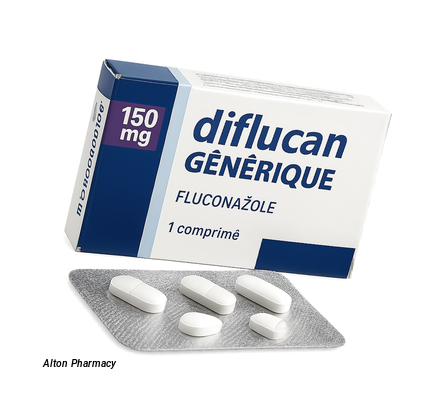
- Is Diflucan (fluconazole) available without prescription in the UK?
- What does Prescription Only Medicine (POM) mean in the UK?
- General information about fluconazole (Diflucan)
- How fluconazole works against fungal infections
- Price and availability information
- Strengths, formulations and pack types
- Indications and clinical uses
- UK legal classification: POM, P and other categories
- Alternatives to Diflucan for fungal infections
- Fluconazole compared with other antifungal medicines
- Side effects and tolerability
- Warnings, contraindications and interactions
- Advice on taking Diflucan safely
- Long-term use, resistance and safety monitoring
- Additional information about Diflucan and generic options
Is Diflucan (fluconazole) available without prescription in the UK?
No. Diflucan, whose active ingredient is fluconazole, is classified as a Prescription Only Medicine (POM) in the United Kingdom. You cannot legally purchase or order Diflucan online without a valid prescription issued by a qualified healthcare professional in the UK. Attempts to buy or purchase Diflucan without prescription from unregulated websites may expose you to counterfeit medicines, unknown chemical composition and legal risk.
What does Prescription Only Medicine (POM) mean in the UK?
In the UK, medicines are categorised as Prescription Only Medicine (POM), Pharmacy medicine (P) or General Sales List (GSL). A POM can only be supplied to a patient following the issue of a prescription by a doctor, dentist, nurse prescriber or other authorised prescriber. This classification ensures that medicines requiring professional assessment, dose adjustment and monitoring are not sold over the counter without oversight.
General information about fluconazole (Diflucan)
What is fluconazole?
Fluconazole is a synthetic antifungal agent that belongs to the triazole class of medications. It is the active ingredient in branded Diflucan and generic fluconazole products.
What types of fungal infections does fluconazole treat?
Fluconazole is used to treat mucosal infections such as oropharyngeal and oesophageal candidiasis (thrush), vaginal candidiasis (vaginal thrush), as well as systemic fungal infections including cryptococcal meningitis and prophylaxis in immunocompromised patients.
What is the origin of the name Diflucan?
“Diflucan” is the brand name under which fluconazole was originally marketed. Generic products containing the same active ingredient are commonly referred to as fluconazole.
How stable is fluconazole?
Fluconazole is chemically stable under standard conditions and available in tablet, capsule and oral suspension formulations. It does not require gastro-resistant coatings, as it is not degraded by stomach acid.
Are branded and generic fluconazole interchangeable?
Yes. Generic fluconazole products are assessed for bioequivalence to the reference branded product and must meet strict regulatory standards for quality, safety and efficacy before they can be supplied in the UK.
How fluconazole works against fungal infections
What is the mechanism of action?
Fluconazole inhibits fungal cytochrome P450-dependent enzyme 14α-demethylase, disrupting ergosterol synthesis—a key component of fungal cell membranes. This leads to increased membrane permeability and ultimately to fungal cell death or inhibited growth.
Why does fluconazole selectively target fungi?
Although mammalian cells also have cytochrome P450 enzymes, fluconazole exhibits greater affinity for fungal enzymes, giving it a favourable safety profile and selective toxicity toward fungal organisms.
Does fluconazole work against all fungi?
No. Fluconazole is effective against many Candida species and Cryptococcus, but its spectrum does not cover certain moulds (e.g., Aspergillus) and fluconazole-resistant fungi. Laboratory sensitivity testing guides treatment of systemic infections.
Can resistance develop?
Yes. Prolonged or repeated exposure to fluconazole can select for resistant strains of Candida, particularly in immunocompromised patients. Resistance mechanisms include efflux pumps and alterations in target enzyme structure.
Price and availability information
How much does Diflucan cost in the UK?
As a prescription medicine, the cost of Diflucan or generic fluconazole depends on the NHS prescription charge or, for private prescriptions, the pharmacy’s dispensing fee and manufacturer’s price. Generic fluconazole is typically cheaper than branded Diflucan.
Can you buy fluconazole online cheaply?
Patients with a valid UK prescription may order fluconazole online from reputable UK pharmacies. Ordering generic fluconazole often yields a cheaper price compared to branded Diflucan. Always verify that you are dealing with a registered pharmacy to ensure authenticity.
Why do online prices vary?
Variations reflect wholesale costs, pharmacy dispensing fees, pack sizes (e.g., 50, 100 or 150 mg tablets), manufacturer, promotional offers and whether products are branded or generic. Bulk purchases may further reduce unit price.
| Example Product | Strength | Formulation | Typical Price (private) | Notes |
|---|---|---|---|---|
| Generic Fluconazole | 150 mg | Film-coated tablet | £2.50–£4.00 per tablet | Lowest generic price ranges |
| Diflucan | 150 mg | Film-coated tablet | £6.50–£8.00 per tablet | Branded premium |
| Oral suspension | 2 mg/mL | Flavour – strawberry | £15.00–£20.00 per 50 mL bottle | Often used in paediatrics |
Strengths, formulations and pack types
What strengths are available?
Fluconazole is most commonly supplied in 50 mg, 100 mg and 150 mg tablets or capsules. Intravenous formulations and oral suspensions are also authorised for hospital use and special clinical situations.
Which formulations exist?
Oral tablets and capsules for adults, oral suspension for paediatric or dysphagic patients, and injectable solutions for systemic fungal infections under hospital care.
Why does pack size matter?
Dosage regimens vary by indication: a single 150 mg dose for uncomplicated vaginal candidiasis, daily dosing for thrush or prophylaxis, or extended courses for systemic infections. Pack presentation must match the prescribed duration.
| Feature | Impact on supply |
| Strength | Determines daily dose and duration |
| Formulation | Affects absorption and patient suitability |
| Pack size | Ensures complete treatment course |
| Brand vs. generic | Influences price and appearance |
Indications and clinical uses
Vaginal candidiasis
A single 150 mg oral dose is effective for most uncomplicated vaginal thrush cases.
Oropharyngeal and oesophageal candidiasis
Typically 200–400 mg on day 1, followed by 100–200 mg daily for 7–14 days.
Systemic fungal infections
High-dose fluconazole (400–800 mg daily) is used under specialist guidance for cryptococcal meningitis and prophylaxis in neutropenic patients.
Dermatophyte infections
Off-label or specialist use; other azoles or griseofulvin may be preferred for skin and nail infections.
UK legal classification: POM, P and other categories
What is POM?
Prescription Only Medicine – supply strictly on prescription.
Can any fluconazole be sold over the counter?
No. Fluconazole remains POM due to risks of inappropriate use and resistance.
Who regulates medicine classification?
The Medicines and Healthcare products Regulatory Agency (MHRA) oversees licensing and classification in the UK.
What is a Pharmacy medicine (P)?
Fluconazole is not classified as P, but many topical antifungal creams are.
Alternatives to Diflucan for fungal infections
Imidazoles
- Clotrimazole (topical and vaginal preparations);
- Ketoconazole (tablet and shampoo, limited use due to hepatotoxicity);
- Miconazole (oral gel and topical creams).
Other triazoles
Itraconazole, voriconazole and posaconazole are reserved for resistant or systemic infections under specialist supervision.
Non-azole antifungals
Amphotericin B (injectable), echinocandins (caspofungin, micafungin) for severe systemic infections.
Fluconazole compared with other antifungal medicines
| Feature | Fluconazole | Itraconazole | Clotrimazole |
| Drug class | Triazole | Triazole | Imidazole |
| Spectrum | Candida, Cryptococcus | Broader, includes some moulds | Topical Candida |
| Administration | Oral/IV | Oral | Topical/oral gel |
| OTC availability | No (POM) | No (POM) | Yes (P for topical) |
Which antifungal is best?
Choice depends on infection type, site, patient factors, drug interactions and susceptibility testing.
Side effects and tolerability
| System | Possible side effects |
| Gastrointestinal | Nausea, abdominal pain, diarrhoea |
| Nervous system | Headache, dizziness |
| Skin | Rash, pruritus |
| Hepatic | Elevated liver enzymes, hepatitis (rare) |
| Cardiac | QT prolongation (caution with other QT-prolonging drugs) |
What about allergic reactions?
Severe hypersensitivity is rare but requires urgent discontinuation and medical attention.
Are long-term risks different?
Extended therapy increases risk of hepatic toxicity and potential drug interactions; monitoring recommended.
Warnings, contraindications and interactions
Who should avoid fluconazole?
- Patients with known hypersensitivity to fluconazole or other azoles;
- Pre-existing liver disease without specialist assessment;
- Pregnant women (Category C) unless benefit outweighs risk;
- Patients on cisapride, terfenadine, pimozide (risk of serious cardiac arrhythmias);
- Concurrent use with warfarin requires INR monitoring;
- Drugs metabolised by CYP2C9, CYP2C19 and CYP3A4 (e.g., phenytoin, cyclosporine).
Why is monitoring important?
Liver function tests before and during prolonged therapy. ECG monitoring if risk factors for QT prolongation exist.
Advice on taking Diflucan safely
How should you take fluconazole?
Swallow tablets whole with water. Suspension should be shaken and dosed accurately. Can be taken with or without food.
What if you miss a dose?
Take as soon as remembered, unless the next dose is due. Do not double dose.
Can you buy generic fluconazole instead?
Yes. Generic fluconazole offers the same efficacy at a cheaper price, making it a preferred choice for cost-conscious patients.
Long-term use, resistance and safety monitoring
When is long-term therapy needed?
Prophylaxis in HIV/AIDS, cancer chemotherapy, transplant recipients or recurrent mucosal candidiasis.
What about resistance?
Extended exposure may select for resistant strains; antifungal stewardship and sensitivity testing are essential in specialist care.
Why review therapy regularly?
Assess efficacy, side effects, liver function and potential interactions. Adjust or discontinue therapy if risks outweigh benefits.
Additional information about Diflucan and generic options
What is a generic medicine?
A generic contains the same active ingredient, dosage form and strength as the branded product and must meet regulatory standards for quality, safety and efficacy.
Why do leaflets differ?
Different manufacturers may have slight variations in excipients, pack presentation and patient information details, while maintaining the same therapeutic profile.
Can you return unwanted medicines?
Unused prescription medicines should be returned to a pharmacy for safe disposal. Alton Pharmacy offers a 14-day return policy for products eligible for mail return.
Where to verify medicine information?
MHRA website, electronic Medicines Compendium (eMC) and patient information leaflets supplied with the medicine.
This page is provided by Alton Pharmacy, 68 High Street, Alton, Hampshire GU34 1ET. For tailored advice on prescribing, purchasing, price comparisons and safety, please consult our pharmacy team or your healthcare provider.
All Services
Opening Hours
| Monday – Friday | 9.00 – 19.00 |
| Saturday | 9.00 – 13:00 |
| Sunday | Closed |
| Holidays | Closed |
Quick Contact
- Address 68 High Street, Alton, Hampshire, GU34 1ET
- Email [email protected]
- Phone 01420 83176
