

Purchase lasix fast delivery cheap
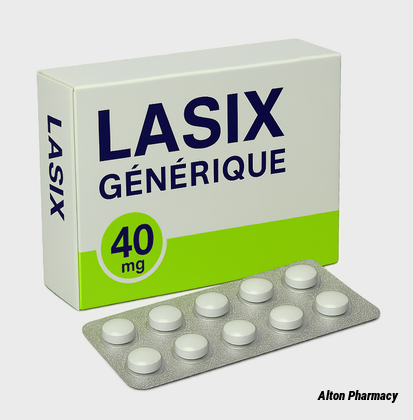
- Is Lasix available without prescription in the UK?
- What does Prescription Only Medicine mean in the UK?
- General information about Lasix (furosemide)
- How furosemide works
- Price and availability information
- Strengths, formulations and pack types
- Clinical uses: oedema, hypertension
- UK legal classification: POM, P and GSL
- Alternatives to Lasix
- Lasix compared with other diuretics
- Diet, salt and lifestyle considerations
- Side effects and tolerability
- Long-term use and monitoring
- Warnings, contraindications and interactions
- Additional information about Lasix
Is Lasix available without prescription in the UK?
Lasix (generic name furosemide) is classified as a Prescription Only Medicine (POM) in the United Kingdom. Unlike some over-the-counter remedies for minor complaints, you cannot purchase Lasix online or in a pharmacy in the UK without a valid prescription from a registered healthcare professional. Any website or pharmacy advertising Lasix for sale without prescription is operating outside the current legal framework. At Alton Pharmacy, we comply fully with MHRA regulations, requiring you to submit a prescription to order Lasix. This ensures safe, monitored use and aligns with national guidelines for diuretic therapy.
What does Prescription Only Medicine mean in the UK?
In the UK, medicine supply is regulated under three main categories: Prescription Only Medicine (POM), Pharmacy medicine (P), and General Sales List (GSL). A POM like Lasix can only be legally supplied in response to a valid prescription issued by an authorised prescriber (doctor, dentist, nurse prescriber, or pharmacist prescriber). This designation is intended to ensure that medicines with significant systemic effects, potential toxicity, or complex dosing are used under professional supervision. Attempting to purchase Lasix without prescription may carry legal and health risks.
General information about Lasix (furosemide)
What is furosemide?
Furosemide is a potent loop diuretic commonly known by the brand name Lasix. It acts on the kidneys to increase the elimination of water, sodium, chloride, and other electrolytes. It is widely used to manage fluid overload in conditions such as heart failure, liver cirrhosis with ascites, and chronic kidney disease, as well as to reduce hypertension in some patients.
What is the chemical class?
Furosemide belongs to the loop diuretics, so called because they act on the thick ascending limb of the loop of Henle in the nephron. This site of action leads to a powerful diuretic effect compared with other classes like thiazides.
What is the active ingredient?
The active pharmaceutical ingredient in Lasix is furosemide. Generic versions contain the same furosemide at equivalent strengths, though inactive ingredients, tablet coating, size, and packaging may differ.
Why is furosemide described as "loop" diuretic?
Loop diuretics inhibit the Na⁺-K⁺-2Cl⁻ cotransporter in the thick ascending limb of the loop of Henle, producing a marked increase in urine output. This mechanism distinguishes them from thiazide diuretics and potassium-sparing agents.
Is Lasix an antihypertensive medication?
While not classified primarily as an antihypertensive, Lasix can lower blood pressure as a secondary effect of fluid loss. It is less commonly used as a first-line treatment for hypertension than thiazides or ACE inhibitors but remains an important option when fluid overload contributes to raised blood pressure.
Is furosemide used for other indications?
In addition to oedema and hypertension, furosemide may be used off-label to aid the excretion of toxins in acute poisoning (with medical oversight), to manage pulmonary oedema, and occasionally in diagnostics to provoke diuresis under controlled conditions.
How furosemide works
What is the site of action?
Furosemide acts primarily in the thick ascending limb of the loop of Henle in the kidney. By blocking the Na⁺-K⁺-2Cl⁻ symporter, it prevents the reabsorption of sodium and chloride, leading to increased urine production and loss of water.
How does that reduce oedema?
The increased urinary excretion of water and electrolytes reduces intravascular volume, which in turn decreases hydrostatic pressure in capillaries. This leads to mobilization of fluid from oedematous tissues back into circulation and subsequent elimination by the kidneys.
Does it directly lower blood pressure?
The primary effect is volume reduction. A smaller plasma volume leads to reduced cardiac output and reduced preload, ultimately lowering blood pressure. Over time, diuretic-induced changes in vascular resistance may also contribute to antihypertensive effects.
Why monitor electrolytes?
Furosemide increases urinary loss of potassium, magnesium, and calcium. Hypokalaemia and other electrolyte disturbances can cause muscle weakness, arrhythmias, and other serious complications. Clinical monitoring helps to detect and correct these imbalances.
How quickly does Lasix act?
Oral furosemide typically begins to act within 30 to 60 minutes, with peak diuresis at around 1–2 hours. Effects can last up to 6–8 hours, but individual response varies. Intravenous dosing produces a more rapid onset, around 5 minutes, and higher peak effect but must be administered in a monitored setting.
Price and availability information
How much does Lasix cost in the UK?
As a POM, Lasix requires a prescription, and NHS prescription charges apply unless you are exempt. Private prescriptions incur fees set by clinics and pharmacies. Generic furosemide tablets tend to be less expensive than branded Lasix. Prices can vary between online and high-street pharmacies, and discounts may apply for bulk orders or subscription services.
Why can prices vary?
Costs reflect distributor margins, generic versus branded status, pack size, and pharmacy pricing policies. A lower price generally indicates a generic product, which is therapeutically equivalent but may differ in appearance.
| Example | Strength | Formulation | Price (private) | Status | Note |
|---|---|---|---|---|---|
| Brand Lasix | 40 mg | Tablets | £12.99 | POM | Prescription Only |
| Generic furosemide | 40 mg | Tablets | £5.49 | POM | Prescription Only |
| Generic furosemide | 20 mg | Tablets | £4.99 | POM | Prescription Only |
Strengths, formulations and pack types
What strengths are available?
Lasix and generic furosemide come in 20 mg, 40 mg, and occasionally 10 mg tablets. Intravenous formulations (e.g. 10 mg/mL solution) are used in hospital settings.
Which formulations exist?
– Oral tablets (film-coated) – Oral solution (special order by pharmacies) – Injectable solution (hospital use)
Why does pack size matter?
Pack size can range from 28 to 100 tablets. Some prescriptions specify the number of doses needed to complete a treatment course or ongoing maintenance therapy. Excess quantities increase storage concerns and potential misuse.
Are branded and generic versions identical?
Generics contain the same furosemide but may differ in excipients, tablet shape, colour, and packaging. They are bioequivalent and meet UK regulatory quality standards.
Clinical uses: oedema, hypertension
What is oedema?
Oedema is swelling caused by fluid accumulation in tissues. It can result from heart failure, kidney disease, liver disease, venous insufficiency, and certain medications.
How does Lasix treat heart failure?
By reducing fluid overload, Lasix alleviates pulmonary and peripheral oedema, improves breathing, and reduces cardiac workload. It forms a cornerstone of symptomatic management in congestive heart failure.
How does it help in liver cirrhosis?
In ascites due to cirrhosis, furosemide increases sodium and water excretion, reducing abdominal fluid accumulation. Combined with dietary sodium restriction, it is a first-line treatment.
When is furosemide used for hypertension?
It is not first-line but may be used when fluid retention contributes to elevated blood pressure, or when other antihypertensives are contraindicated or insufficient alone.
Is Lasix used in renal impairment?
Furosemide retains effectiveness even in reduced glomerular filtration states, making it useful in chronic kidney disease. Dosing adjustments depend on renal function and clinical response.
UK legal classification: POM, P and GSL
What is a Prescription Only Medicine (POM)?
A POM can only be supplied against a valid prescription. Lasix is POM because of the need for dosage individualisation, monitoring of electrolytes, and risk of serious side effects.
What is a Pharmacy medicine (P)?
Pharmacy medicines can be sold under pharmacist supervision without a prescription. Lasix is not in this category.
What is a GSL medicine?
General Sales List medicines are available in supermarkets or convenience stores without pharmacist involvement. Lasix is not a GSL medicine.
Who sets classifications?
The Medicines and Healthcare products Regulatory Agency (MHRA) regulates drug classification in the UK, ensuring medicines are supplied under the appropriate level of professional oversight.
Alternatives to Lasix
What other diuretics exist?
- Thiazide diuretics (e.g. bendroflumethiazide, hydrochlorothiazide)
- Potassium-sparing diuretics (e.g. spironolactone, amiloride)
- Loop diuretics (e.g. bumetanide, torasemide)
When choose a thiazide?
Thiazides are often preferred for mild hypertension. They have a less potent diuretic effect than loops and preserve more potassium.
Why choose a potassium-sparing agent?
To reduce the risk of hypokalaemia. They are often used in combination with other diuretics.
How does bumetanide compare?
Bumetanide is four to five times more potent milligram-for-milligram than furosemide, with a shorter duration of action.
Lasix compared with other diuretics
| Feature | Furosemide | Bumetanide | Hydrochlorothiazide |
| Drug class | Loop diuretic | Loop diuretic | Thiazide diuretic |
| Onset (oral) | 30–60 min | 30–60 min | 2 hours |
| Peak effect | 1–2 h | 1 h | 4–6 h |
| Duration | 6–8 h | 4–6 h | 12–24 h |
| Potency | Standard | 4–5× furosemide | Less diuretic effect |
| Use in renal impairment | Yes | Yes | Less effective |
Is one diuretic always better?
Choice depends on condition, comorbidities, electrolyte status, cost, and patient response. A specialist or GP will tailor therapy accordingly.
Diet, salt and lifestyle considerations
Can reducing salt intake help?
Yes. Lower dietary sodium can enhance diuretic efficacy and reduce oedema. Patients are often advised to follow a low-sodium diet.
Does fluid restriction matter?
In severe heart failure or hyponatraemia, fluid intake may be limited. This should be guided by a healthcare professional.
Can caffeine or alcohol interact?
Caffeine may have mild diuretic effects; alcohol can exacerbate dehydration. Patients should discuss intake with their prescriber.
Is exercise recommended?
Regular, moderate exercise helps maintain cardiovascular health but should be balanced against fluid status and fatigue in heart failure patients.
Side effects and tolerability
Common side effects
- Increased urination
- Electrolyte disturbances (e.g. hypokalaemia, hypomagnesaemia)
- Dizziness or lightheadedness from volume depletion
- Gastrointestinal upset
- Muscle cramps
Serious risks
- Acute kidney injury from overdiuresis
- Severe electrolyte imbalance leading to arrhythmias
- Hypotension
- Ototoxicity at high intravenous doses
Monitoring requirements
Regular assessment of renal function, electrolytes, blood pressure, and weight is essential. Patients on long-term therapy may require periodic blood tests and clinical review.
Long-term use and monitoring
Why is monitoring important?
Chronic diuretic use can lead to electrolyte imbalances, renal impairment, gout (due to uric acid retention), and impacts on blood sugar. Ongoing review ensures safety and efficacy.
Can tolerance develop?
Diuretic resistance may occur, particularly in advanced heart failure or kidney disease. Adjustments may include dose changes, combination therapy, or adding other classes of diuretics.
When to review dosage?
Dosage should be reviewed whenever there are changes in weight, blood pressure, renal function, or fluid status, as well as after hospital admissions or intercurrent illness.
Warnings, contraindications and interactions
Who should use with caution?
- Patients with severe electrolyte loss
- Those with gout or predisposition to uric acid stones
- People with diabetes (can affect glycaemic control)
- Patients with severe liver disease or ascites
- Those taking NSAIDs (may blunt diuretic effect)
Drug interactions
- Aminoglycosides (risk of ototoxicity)
- Digoxin (increased arrhythmia risk if hypokalaemia)
- ACE inhibitors/ARBs (enhanced hypotensive effect)
- NSAIDs (reduced diuretic action)
- Antidiabetic agents (potential changes in blood glucose)
Pregnancy and breastfeeding
Furosemide should only be used in pregnancy or lactation if clearly needed. Risks include volume depletion and electrolyte disturbance in both mother and infant. Professional advice is essential.
Additional information about Lasix
What does “generic furosemide” mean?
A generic product contains the same active furosemide at the same strength as the branded reference. Equivalence is proven through regulatory bioavailability studies. Excipients and appearance may differ.
Why check exact product information?
Pack size, manufacturer instructions, contraindications, and patient leaflets provide critical details. Always follow professional advice and read authorised information for the specific product dispensed.
Where to verify medicine details?
Authoritative sources include the MHRA website, the electronic Medicines Compendium (eMC), and qualified healthcare professionals such as GPs and pharmacists.
Does this information replace medical advice?
No. This article is for general information only. For personalised guidance on purchasing or using Lasix, speak to the pharmacy team at Alton Pharmacy, 68 High Street, Alton, Hampshire GU34 1ET.
All Services
Opening Hours
| Monday – Friday | 9.00 – 19.00 |
| Saturday | 9.00 – 13:00 |
| Sunday | Closed |
| Holidays | Closed |
Quick Contact
- Address 68 High Street, Alton, Hampshire, GU34 1ET
- Email [email protected]
- Phone 01420 83176
