

Purchase lasix without prescription cheap
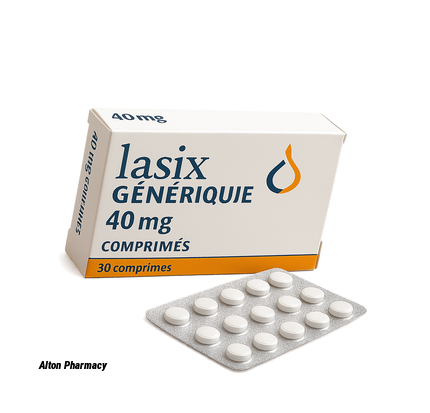
- Is Lasix available without prescription in the UK?
- What does Prescription Only Medicine mean in the UK?
- General information about furosemide
- How furosemide works
- Price and availability information
- Strengths, formulations and pack types
- Common indications: edema, hypertension and heart failure
- UK legal classification: POM and online purchase
- Alternatives and adjuncts to diuretic therapy
- Lasix compared with other diuretics
- Food, alcohol and lifestyle considerations
- Side effects and tolerability
- Long-term use, monitoring and safety
- Warnings, contraindications and interactions
- Additional information about generic Lasix
Is Lasix available without prescription in the UK?
Lasix is the brand name for furosemide, a loop diuretic widely used to reduce excess fluid in conditions such as heart failure, liver disease and renal impairment. In the United Kingdom, furosemide is classified as a Prescription Only Medicine (POM). This means it can only be legally dispensed with a valid prescription from a qualified healthcare professional. Despite numerous online vendors advertising “Lasix without prescription” or “cheap Lasix, no script required,” purchasing furosemide without a prescription contravenes UK regulations and may put your health at risk. At Alton Pharmacy, we adhere strictly to MHRA guidelines: furosemide is only supplied following receipt of a valid prescription.
Online pharmacies sometimes offer fast delivery, generic options and lower prices for no-prescription orders. While this may appear convenient, unregulated sources may provide unlicensed, substandard or counterfeit products. Purchasers risk incorrect dosing, contamination or the absence of active ingredient. For safe, reliable and legal purchase of Lasix online in the UK, always use a pharmacy that requires prescription verification and meets regulatory standards.
What does Prescription Only Medicine mean in the UK?
The UK legal framework for human medicines distinguishes three main categories: Prescription Only Medicines (POM), Pharmacy medicines (P) and General Sales List (GSL) medicines. A POM can only be sold or supplied with a prescription issued by an authorised prescriber, such as a doctor, dentist, nurse prescriber or pharmacist independent prescriber. Prescription status reflects a need for professional diagnosis, dose adjustment, monitoring of efficacy and safety, and management of potential drug interactions.
Furosemide’s classification as POM underscores the importance of specialist oversight. Loop diuretics influence fluid and electrolyte balance significantly. Under-prescribing may yield inadequate symptom control, while over-prescribing can cause dehydration, electrolyte disturbances, kidney injury and other serious effects. Therefore, any legitimate online pharmacy will request a scanned or electronic prescription from your GP or hospital consultant before dispensing Lasix.
General information about furosemide
What is furosemide?
Furosemide is a potent diuretic, belonging to the loop diuretics class. It acts on the renal loop of Henle to block sodium, potassium and chloride reabsorption in the ascending limb. This pharmacological action increases the excretion of water, sodium and chloride, reducing blood volume and relieving fluid overload.
Why is it called a loop diuretic?
Loop diuretics derive their name from the anatomical location of their primary site of action in the nephron’s loop of Henle. They differ from thiazide and potassium-sparing diuretics both in mechanism and potency. Loop diuretics produce a greater diuretic effect than most other classes.
What is the active ingredient and formulation?
Lasix tablets typically contain furosemide as the active ingredient, in strengths such as 20 mg, 40 mg or 80 mg. In the UK, the most common dosage is 40 mg per tablet. Generic products may vary in inactive excipients, coating, tablet shape and packaging, but all must meet MHRA quality standards if they are licensed.
Why are some furosemide tablets uncoated?
Furosemide is relatively stable in gastric pH, so many formulations are plain tablets. However, coated or film-coated presentations can facilitate swallowing and mask the bitter taste of the drug. Coating can also improve shelf stability and reduce moisture uptake.
Is furosemide water soluble?
Furosemide has moderate water solubility. Its diuretic effect arises primarily from systemic absorption following oral administration. Some formulations exist as oral solutions for patients with swallowing difficulties or for precise dose titration, especially in paediatric or geriatric settings.
Why is furosemide not an antihypertensive alone?
Although loop diuretics lower blood pressure by reducing plasma volume, they are often secondary or adjunctive agents for hypertension management. Thiazide diuretics are more commonly first-line for hypertension unless coexisting oedema or heart failure is present. Furosemide is generally reserved for cases requiring potent diuresis rather than primary blood pressure control.
How furosemide works
What is the loop of Henle?
The loop of Henle is a U-shaped segment of the nephron in the kidney that concentrates urine and reabsorbs water and solutes. The thick ascending limb actively transports sodium, potassium and chloride out of the filtrate, crucial to the countercurrent multiplication system. Loop diuretics inhibit this transporters.
How does furosemide inhibit renal salt transport?
Furosemide binds to the chloride-binding site of the Na+-K+-2Cl− symporter in the luminal membrane of thick ascending limb cells. By blocking this transporter, it prevents reabsorption of sodium and chloride, causing these ions, along with water, to remain in the tubular fluid and be excreted as urine.
What are the onset and duration of action?
After oral administration, furosemide is rapidly absorbed, with onset of diuresis within 30 to 60 minutes and peak effect at around 1 to 2 hours. The duration of action normally lasts 6 to 8 hours, although this can vary with dose, renal function and formulation.
Does furosemide affect electrolyte balance?
Yes. Loop diuretics cause increased excretion of sodium, chloride, potassium and to a lesser extent calcium and magnesium. Hypokalaemia and hyponatraemia are common concerns. Monitoring electrolytes regularly during therapy ensures safe use, especially for patients on high doses or with coexisting conditions.
How does the body compensate?
Prolonged diuretic-induced volume loss triggers activation of the renin-angiotensin-aldosterone system (RAAS), which promotes sodium and water retention downstream. In some patients, tolerance or rebound fluid retention can occur, necessitating dose adjustment or combination therapy.
Is there any effect on liver or cardiac function?
Furosemide’s primary action is renal, but by reducing preload and relieving pulmonary and peripheral oedema, it indirectly improves cardiac efficiency in heart failure. Careful titration prevents excessive volume loss that can compromise renal perfusion or precipitate hypotension.
Price and availability information
How much does Lasix cost in the UK?
The retail price for furosemide can vary depending on brand versus generic, pack size and formulation. As an example, a pack of 28 tablets of 40 mg generic furosemide may cost between £5 and £12. Branded Lasix may be priced higher. Online pharmacies may advertise “cheaper” or “discounted” prices, but always ensure that price reductions do not compromise legitimate MHRA licensing.
Why do prices differ?
Price variation reflects manufacturing costs, brand premiums, pack size, wholesale agreements and retail margins. Generic competition typically drives prices lower. Bulk packs and NHS-supply agreements can further reduce costs.
| Example | Strength | Formulation | Price | Status | Note |
|---|---|---|---|---|---|
| Generic Furosemide A | 40 mg | Tablets 28 | £5.49 | POM | NHS and private prescription |
| Lasix (branded) | 40 mg | Tablets 30 | £11.20 | POM | Reference branded product |
Strengths, formulations and pack types
What strengths are available?
Furosemide tablets are commonly available in 20 mg, 40 mg and 80 mg strengths. The choice depends on indication, patient response and clinical guidelines. Lower strengths allow titration and careful adjustment, while higher strengths facilitate convenience in patients requiring significant diuresis.
What formulations exist?
Oral tablets and oral solutions are the primary forms in the UK. IV formulations exist for hospital use but are not supplied via community pharmacies. Oral solutions may be prepared extemporaneously for paediatric or tube-fed patients.
Does pack size matter?
Pack size – from 7 to 100+ tablets – influences prescription frequency, dispensing fees and cost per tablet. Large packs may offer economies of scale for chronic therapy. However, seldom-used strengths or irregular dosing schedules may be better managed with smaller packs to avoid wastage.
| Feature | Why it matters |
| Strength | Titration accuracy and dosing flexibility |
| Formulation | Patient preference and swallowing ability |
| Pack size | Cost efficiency vs waste minimisation |
| Brand vs generic | Price and patient acceptability |
Are generic and branded Lasix identical?
Yes, all licensed generics contain the same active ingredient, furosemide, at the specified strength and must meet bioequivalence criteria. Differences lie in inactive excipients, appearance, packaging and sometimes marketing margins.
Common indications: edema, hypertension and heart failure
What is peripheral oedema?
Peripheral oedema is accumulation of excess fluid in the interstitial spaces of limbs, often causing swelling, discomfort and reduced mobility. It can arise from heart failure, hepatic cirrhosis, nephrotic syndrome or venous insufficiency.
How is pulmonary oedema treated?
Acute pulmonary oedema presents with breathlessness, hypoxia and crackles on auscultation. IV furosemide is standard of care in hospitals. Oral therapy may follow stabilization for ongoing fluid management.
What about hypertension?
Loop diuretics can lower blood pressure but are reserved for resistant hypertension or when additional volume reduction is needed in heart failure or renal impairment. They are adjunctive to first-line agents unless specific comorbidities dictate their use.
Why is dosing individualized?
Patient factors – such as renal function, age, concomitant medications and electrolyte status – determine initial dose and titration schedule. Close monitoring ensures therapeutic effect while minimising adverse outcomes.
Can furosemide be used in kidney disease?
Loop diuretics remain effective in patients with reduced glomerular filtration rate, unlike thiazides, which lose potency. Doses may need to be increased, but caution is essential to avoid rapid volume depletion and renal hypoperfusion.
UK legal classification: POM and online purchase
Why is furosemide POM?
The significant impact on fluid balance, electrolyte homeostasis and kidney function warrants medical oversight. A prescription ensures correct indication, dose, monitoring and follow-up.
Can you buy Lasix online in the UK?
Yes, through MHRA-registered online pharmacies that require submission of a valid prescription. The process typically involves uploading or faxing your prescription, pharmacist review and then dispatch. Fast delivery options can bring Lasix to your door in 24–48 hours.
What about international online vendors?
Ordering from overseas sites without prescription validation is illegal and risky. Medicines may be falsified, subpotent or contaminated. Customs seizure and legal penalties are possible. Always choose a UK-registered pharmacy.
How do pharmacies verify prescriptions?
Pharmacies may accept electronic prescriptions via the NHS Electronic Prescription Service (EPS) or scanned PDF prescriptions. Some require original signed prescriptions by post for private prescribing. Verification includes checking prescriber details, validity date and patient identity when required.
Alternatives and adjuncts to diuretic therapy
Thiazide diuretics
Thiazides (e.g., bendroflumethiazide, chlortalidone) act on distal tubules and are less potent than loop diuretics. They are first-line for hypertension but yield less diuresis for fluid overload.
Potassium-sparing diuretics
Spironolactone, eplerenone and amiloride conserve potassium and can mitigate hypokalaemia risk from loop diuretics. They have roles in heart failure and certain forms of hypertension.
Combine diuretics carefully
Combining diuretic classes can produce synergistic effects but raises risk of dehydration and electrolyte imbalance. Monitoring is essential to adjust regimen safely.
Non-pharmacological measures
Dietary sodium restriction, fluid management, leg elevation, compression stockings and weight management complement diuretic therapy. Lifestyle interventions often improve symptoms and reduce required drug doses.
Lasix compared with other diuretics
Loop vs thiazide comparison
Loop diuretics have a stronger diuretic effect and remain effective in renal impairment. Thiazides are longer acting but less potent.
Comparing half-lives and dosing frequency
Furosemide’s half-life is 2 to 4 hours, requiring once or twice-daily dosing. Thiazides may allow once-daily dosing due to longer half-lives.
| Feature | Furosemide | Bendroflumethiazide | Spironolactone |
| Class | Loop diuretic | Thiazide diuretic | Potassium-sparing |
| Potency | High | Moderate | Low |
| Electrolyte effect | ↓K, ↓Na, ↓Cl | ↓K, ↓Na | ↑K |
| Renal impairment | Effective | Less effective | Variable |
Is one diuretic better?
No. Choice depends on clinical context, comorbidities, renal function, blood pressure goals and monitoring capabilities.
Food, alcohol and lifestyle considerations
Dietary sodium
High salt intake attenuates diuretic efficacy. Sodium restriction enhances fluid loss and symptom control.
Alcohol and dehydration
Alcohol is a mild diuretic and can worsen dehydration risk when combined with loop diuretics. Caution and adequate fluid intake are advised.
Caffeine and fluid loss
Caffeinated beverages have mild diuretic properties. Monitor total fluid balance rather than individual sources.
Exercise and heat
Physical activity and hot environments increase sweating and fluid loss. Diuretic dose may require adjustment to prevent hypotension or renal dysfunction.
Monitoring weight
Daily weight tracking helps assess fluid status changes. Rapid weight loss can signal dehydration; rapid gain may indicate fluid retention requiring dose review.
Side effects and tolerability
Common side effects
| Area | Examples |
| Fluid-electrolyte | Dehydration, hyponatraemia, hypokalaemia |
| Gastrointestinal | Loss of appetite, nausea |
| Metabolic | Hyperuricaemia, gout exacerbation |
| Renal | Azotaemia, transient creatinine rise |
| Neurological | Dizziness, lightheadedness |
Can allergic reactions occur?
Rarely, furosemide can cause hypersensitivity, including rash, photosensitivity and, rarely, anaphylactic reactions. Urgent medical attention is required for severe reactions.
Why list many rare effects?
Product information includes all known or suspected adverse reactions across frequency categories to inform patients and healthcare professionals.
Are side effects dose dependent?
Yes. Higher doses are more likely to produce significant electrolyte disturbances and renal effects. Individual sensitivity varies.
Long-term use, monitoring and safety
Why is monitoring important?
Long-term diuretic therapy requires periodic blood tests for electrolytes, renal function and, when indicated, uric acid levels. Monitoring prevents complications and ensures therapeutic benefit.
Can tolerance develop?
Chronic diuretic therapy can activate compensatory mechanisms, leading to reduced natriuresis. Combination diuretic therapy or dose adjustment may overcome tolerance.
When to review therapy?
Regular clinical review every 3 to 6 months is common for stable patients, more frequently for dose adjustments or lab abnormalities. Review includes assessment of fluid status, blood pressure, electrolytes, renal function and symptom control.
Warnings, contraindications and interactions
Who should be cautious?
- Patients with severe renal impairment or anuria;
- Patients with hepatic cirrhosis and ascites requiring specific diuretic regimens;
- Patients with gout or hyperuricaemia;
- Patients at risk of dehydration, such as the elderly;
- Patients with electrolyte imbalance or taking interacting medicines.
Can furosemide interact with other medicines?
Yes. NSAIDs can blunt diuretic effect. Aminoglycosides and cisplatin can increase ototoxicity risk. ACE inhibitors and ARBs may enhance hypotensive and renal effects. Lithium clearance can be reduced, raising toxicity risk.
Why is gentamicin interaction important?
Loop diuretics potentiate ototoxicity of aminoglycoside antibiotics, increasing risk of hearing loss. Concurrent use requires monitoring and possible dose modification.
Can furosemide affect diabetes?
Loop diuretics can impair glucose tolerance in some patients, requiring monitoring of blood sugar levels in diabetic patients.
What about pregnancy and breastfeeding?
Furosemide crosses the placenta and enters breast milk. Use only if clearly needed, with monitoring of fetal growth and fluid status. Professional advice should guide use during pregnancy and lactation.
Additional information about generic Lasix
What does “generic furosemide” mean?
A generic medicine has the same active ingredient, strength and dosage form as the brand-name product and is required to demonstrate bioequivalence. Generic options often offer cost savings without compromising quality or efficacy.
Why can leaflets differ?
Different manufacturers use varying excipients, leaflets and packaging. Licensed patient information must reflect specific brand or generic product details, including indications, dosage, contraindications and side effects.
Are bulk packs available?
Yes, bulk packs for chronic therapy may reduce per-tablet cost but should only be ordered if regular monitoring and follow-up are assured to avoid wastage or outdated supplies.
Where to verify furosemide information?
Authoritative sources include the MHRA, the electronic Medicines Compendium (eMC) and professional guidelines from NICE and the BNF. Always refer to the approved Summary of Product Characteristics and patient leaflet for exact product details.
Does this information replace pharmacist advice?
No. This page provides general information published by Alton Pharmacy, 68 High Street, Alton, Hampshire GU34 1ET. For tailored advice, potential interactions, personalised dosing and monitoring, please speak directly with our pharmacy team.
All Services
Opening Hours
| Monday – Friday | 9.00 – 19.00 |
| Saturday | 9.00 – 13:00 |
| Sunday | Closed |
| Holidays | Closed |
Quick Contact
- Address 68 High Street, Alton, Hampshire, GU34 1ET
- Email [email protected]
- Phone 01420 83176
