

Purchase lasix online generic
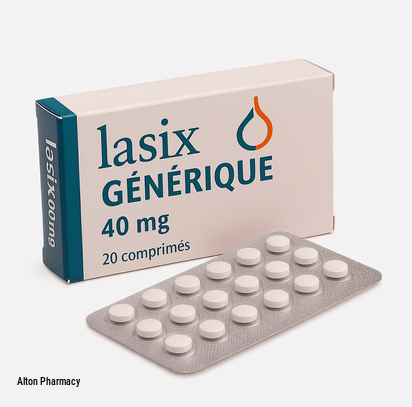
- Is Lasix (furosemide) available without prescription in the UK?
- What does Prescription Only Medicine (POM) mean in the UK?
- General information about furosemide (Lasix)
- How Lasix works as a loop diuretic
- Price and availability: buy and order online
- Strengths, formulations and generic pack types
- Indications: edema, hypertension and more
- UK legal classification: POM and pharmacy controls
- Alternatives and complementary treatments
- Lasix compared with other diuretics
- Diet, fluid balance and lifestyle considerations
- Side effects, tolerability and safety information
- Long-term use, monitoring and risk management
- Warnings, contraindications and drug interactions
- Additional information about generic Lasix 40 mg
Is Lasix (furosemide) available without prescription in the UK?
Lasix, the brand name for furosemide, is classified as a Prescription Only Medicine (POM) in the United Kingdom. Unlike some over-the-counter treatments, you cannot legally buy or order genuine Lasix without a prescription issued by a qualified healthcare professional. However, many patients look for generic furosemide alternatives online to find cheaper supplies, often seeking to purchase or order without prescription. It is important to note that UK regulations require a valid prescription for furosemide due to its potency, potential for dehydration, electrolyte imbalance and its use in managing serious medical conditions such as heart failure, edema and hypertension.
Some online pharmacies claim to supply Lasix without prescription, but this is outside MHRA guidelines and may pose significant health risks. Alton Pharmacy strictly adheres to UK law: we only dispense furosemide upon receipt of a valid prescription from an authorised prescriber. For patients seeking to buy Lasix online, please secure a prescription from your GP or specialist. This process ensures safe prescribing, appropriate dosing, and monitoring of kidney function and electrolytes.
Although Lasix cannot be purchased over the counter, generic versions of furosemide can sometimes be cheaper than the branded product. Discuss generic substitution with your prescriber to access lower-cost alternatives. In summary, genuine Lasix is not available without prescription in the UK, but generic furosemide can be ordered online once a prescription is in place, often at a cheaper price.
What does Prescription Only Medicine (POM) mean in the UK?
In the UK, human medicines are classified into three legal categories: Prescription Only Medicine (POM), Pharmacy medicine (P) and General Sales List medicine (GSL). A POM can only be supplied by a pharmacist or dispensing doctor against a valid prescription. The POM classification reflects the need for professional diagnosis, dosing decisions, monitoring, and risk management, especially for medicines like furosemide, which affect fluid and electrolyte balance.
Key aspects of POM status for furosemide include:
- Requirement of a prescription to ensure correct indication, dose and duration;
- Pharmaceutical oversight for potential side effects (e.g., hypokalemia, dehydration, renal impairment);
- Regulatory control to prevent misuse, overuse or unsafe self-medication;
- Access to professional advice on interactions with other medications for hypertension, heart failure, liver or kidney disease.
Understanding POM status helps patients and healthcare providers manage safe supply, legal compliance and optimise clinical outcomes when buying or ordering Lasix in the UK.
General information about furosemide (Lasix)
What is furosemide?
Furosemide is a potent loop diuretic widely used in the management of oedema associated with congestive heart failure, renal impairment, cirrhosis of the liver and hypertension. By promoting the excretion of excess fluid and sodium, furosemide reduces blood volume and helps alleviate symptoms such as breathlessness, swelling and high blood pressure.
Why is it called Lasix?
Lasix is the original brand name for furosemide, developed in the 1960s. Today, generic versions are widely available, offering cost-effective alternatives while containing the same active ingredient at 20 mg, 40 mg or 500 mg injection strengths.
Active and inactive ingredients
The active ingredient is furosemide. Generic tablets may contain different inactive ingredients (excipients) such as lactose monohydrate, magnesium stearate, microcrystalline cellulose, and coatings. These differences do not affect therapeutic efficacy but can influence tablet appearance and suitability for patients with specific allergies or intolerances.
Why is diuretic therapy important?
Diuretics like furosemide are cornerstone treatments for conditions where excess fluid accumulates in tissues or blood vessels. By aiding renal elimination of water and electrolytes, they reduce peripheral and pulmonary oedema, lower blood pressure, and improve cardiac output in heart failure. Timely diuretic therapy can reduce hospital admissions and improve quality of life for many patients.
Difference between furosemide and antidiuretic hormones
Furosemide blocks the sodium-potassium-chloride cotransporter in the thick ascending limb of the loop of Henle, whereas antidiuretic hormones (vasopressin) regulate water reabsorption in the collecting ducts. Furosemide induces a more pronounced diuresis than most other diuretics and acts quickly, making it effective for acute fluid overload.
How Lasix works as a loop diuretic
Mechanism of action
Furosemide inhibits the Na+-K+-2Cl– symporter in the thick ascending limb of the loop of Henle. This prevents reabsorption of sodium and chloride, increasing osmotic pressure in the nephron and reducing water reabsorption. The result is increased urine volume (diuresis), sodium excretion (natriuresis) and chloride excretion (chloruresis).
Onset and duration
Following oral administration, Lasix is rapidly absorbed, with onset of diuretic action within 1 hour and peak effect at 1–2 hours. Duration of action is typically 6–8 hours for a single dose, but this may vary based on dose, formulation and individual renal function.
Why is urine output increased?
By blocking sodium reabsorption, furosemide creates an osmotic gradient that retains water within the tubular lumen, increasing urine flow. This rapid excretion of fluid helps relieve oedema and lower circulating volume.
Effect on electrolytes
Loop diuretics can lead to significant electrolyte shifts. Common changes include:
- Decreased potassium (hypokalemia);
- Decreased magnesium (hypomagnesemia);
- Reduced calcium reabsorption (hypocalcemia);
- Possible sodium depletion and dehydration.
Monitoring of serum electrolytes and renal function is essential during diuretic therapy.
Interactions with renal physiology
In patients with impaired kidney function, Lasix may have altered pharmacokinetics and reduced efficacy. Dose adjustments based on creatinine clearance may be necessary to achieve desired diuresis without excessive electrolyte loss or nephrotoxicity.
Price and availability: buy and order online
How much does generic Lasix cost in the UK?
Pricing for furosemide varies by strength, formulation, pack size and supplier. Below is an example of generic Lasix price ranges for tablets supplied with prescription at Alton Pharmacy. Real-time prices may differ; contact us for current offers on cheaper or bulk orders.
| Product | Strength | Formulation | Approx. Price | Prescription Status | Notes |
|---|---|---|---|---|---|
| Furosemide Generic A | 40 mg | Film-coated tablets | £2.50–£4.00 for 28 tablets |
POM | Bulk discounts available |
| Lasix Brand | 40 mg | Film-coated tablets | £6.00–£8.50 for 28 tablets |
POM | Higher price for brand |
| Furosemide Liquid | 10 mg/mL | Oral solution 100 mL | £5.00–£7.00 | POM | Useful for dose titration |
To buy or order Lasix online, submit your prescription securely via our website. We offer fast dispatch, competitive pricing and free delivery options for regular orders. For patients seeking cheaper generic options, generic Furosemide brands A and B often cost 30–50% less than the Lasix brand, while maintaining the same efficacy.
Why prices vary
Several factors influence price differences between generic furosemide and branded Lasix:
- Brand recognition and marketing costs;
- Manufacturer and importation expenses;
- Pack size and dosage form (tablets vs. liquid);
- Wholesale supplier agreements and pharmacy mark-up;
- Bulk order discounts and generic competition driving lower prices.
When comparing offers online, ensure you are purchasing from a UK-registered pharmacy such as Alton Pharmacy to guarantee authenticity, legal compliance and patient safety.
Strengths, formulations and generic pack types
What strengths are available?
Furosemide is commonly supplied in the following tablet strengths in the UK:
- 20 mg film-coated tablets;
- 40 mg film-coated tablets;
- 500 mg injectable vials for intravenous use;
- Liquid formulation 10 mg/mL.
Only specific strengths and pack sizes are authorised with prescription-only status; none are available OTC.
Formulations: tablets, injections and oral solution
Formulation impacts onset and route of administration:
- Oral tablets: convenient for chronic management of hypertension or oedema;
- Liquid solution: ideal for dose titration in paediatric or elderly patients who cannot swallow tablets;
- Intravenous injection: used in acute hospital settings for rapid diuresis in decompensated heart failure or pulmonary oedema;
Why pack size matters
Pack size can affect overall cost-per-dose. Bulk packs of 84 tablets typically offer a lower unit cost than smaller packs of 28 tablets. However, larger packs require careful storage and adherence to expiry dates.
| Feature | Why it matters |
|---|---|
| Strength | Defines potency per dose unit |
| Formulation | Determines route, onset and suitability |
| Pack size | Affects cost-per-unit and dispensing rules |
| Generic/brand | Impacts price and potential excipient differences |
| Legal status | Requires prescription (POM) for all strengths |
Generic vs. branded Lasix
Generic furosemide contains the same active molecule, but excipients and packaging differ. Regulatory authorities ensure bioequivalence between generic and branded products. Choosing a generic can reduce costs without compromising safety or effectiveness.
Indications: edema, hypertension and more
What is peripheral oedema?
Peripheral oedema refers to fluid accumulation in the extremities (legs, ankles, feet) often due to congestive heart failure, venous insufficiency, kidney disease or liver cirrhosis. Lasix helps remove excess fluid, reducing swelling and discomfort.
How is Lasix used in heart failure?
In chronic or acute decompensated heart failure, furosemide reduces preload and pulmonary congestion, improving breathing and exercise tolerance. Dosing is tailored based on symptoms, weight changes and renal function, often starting at 20–40 mg daily and adjusted upwards if needed.
Use in hypertension
While not a first-line antihypertensive, furosemide may be used in resistant hypertension or in patients with renal impairment. Its diuretic effect helps lower blood pressure by reducing intravascular volume. Typical doses range from 20 to 80 mg daily, alone or in combination with other agents.
Edema in liver cirrhosis and nephrotic syndrome
In cirrhosis-associated ascites and nephrotic syndrome, Lasix is combined with potassium-sparing diuretics to prevent hypokalemia. Specialist supervision and frequent monitoring are essential to avoid complications.
Off-label uses
Occasionally, furosemide is used off-label to manage fluid overload in acute pancreatitis or to reduce cerebral oedema in neurologic emergencies, under close hospital supervision.
UK legal classification: POM and pharmacy controls
Why is Lasix POM?
Furosemide’s potent diuretic action can cause rapid fluid and electrolyte shifts, requiring medical oversight for:
- Prescribing correct dose;
- Monitoring kidney function and electrolytes;
- Assessing contraindications and interactions;
- Adjusting therapy in heart failure, liver or kidney disease.
Pharmacy controls
All POMs, including Lasix, must be dispensed by a pharmacist only after verifying the prescription’s authenticity. UK pharmacies maintain records of dispensed POMs and counsel patients on safe use, storage and management of side effects.
Role of the MHRA
The Medicines and Healthcare products Regulatory Agency oversees licensing, quality and safety of furosemide products. The MHRA reviews adverse event reports and can revoke licences if safety concerns arise.
Nurse and hospital supply
In hospital settings, clinical staff can supply Lasix under patient group directions (PGDs) or doctor’s orders for acute management of fluid overload. Community supply strictly requires a private or NHS prescription.
Alternatives and complementary treatments
Other diuretic classes
- Thiazide diuretics (e.g., hydrochlorothiazide, indapamide) – for mild hypertension and oedema;
- Potassium-sparing diuretics (e.g., spironolactone, amiloride) – in combination with loop diuretics to reduce hypokalemia;
- Osmotic diuretics (e.g., mannitol) – in acute neurologic or renal situations;
- Carbonic anhydrase inhibitors (e.g., acetazolamide) – less commonly used.
Non-pharmacological approaches
Lifestyle and dietary measures can complement diuretic therapy:
- Fluid restriction in heart failure;
- Reduced sodium intake to limit fluid retention;
- Weight monitoring to guide dose adjustments;
- Elevating legs to reduce peripheral oedema;
- Regular exercise to improve circulation.
Lasix compared with other diuretics
Loop diuretics vs. thiazides
Loop diuretics such as furosemide induce a more potent diuresis and are effective in patients with reduced renal function, whereas thiazides have a milder effect and lose efficacy when creatinine clearance falls below 30 mL/min.
Furosemide vs. bumetanide
Bumetanide is approximately 40 times more potent by weight than furosemide but has a similar mechanism of action. Choice depends on patient response, availability and cost considerations.
| Feature | Furosemide | Bumetanide | Hydrochlorothiazide |
|---|---|---|---|
| Drug class | Loop diuretic | Loop diuretic | Thiazide diuretic |
| Typical dose | 20–80 mg daily | 0.5–2 mg daily | 12.5–50 mg daily |
| Renal function | Effective down to CrCl ~20 | Effective down to CrCl ~30 | Ineffective if CrCl <30 |
| Onset | 1 hour | 1 hour | 2 hours |
| Cost | Low (generic) | Moderate | Low (generic) |
Combination therapy
In resistant oedema, loop and thiazide diuretics are sometimes combined (sequential nephron blockade). Always monitor electrolytes closely to prevent hyponatremia or hypokalemia.
Diet, fluid balance and lifestyle considerations
Fluid intake
Patients on Lasix often receive guidance on limiting fluid intake to prevent volume overload. Daily fluid targets vary based on cardiac status and renal function.
Sodium restriction
A low-sodium diet (<2 g/day) enhances diuretic effectiveness and reduces the risk of fluid retention.
Weight monitoring
Daily weight measurement helps detect early signs of fluid gain, prompting dose adjustment or medical review. An increase of >2 kg in 2 days may signal worsening heart failure.
Exercise and mobility
Regular light exercise supports circulation and reduces venous stasis. Leg elevation and compression stockings may help manage peripheral oedema.
Alcohol and caffeine
Alcohol may exacerbate dehydration; caffeine can increase diuresis and jitteriness. Discuss beverage choices with your clinician to maintain optimal hydration.
Side effects, tolerability and safety information
Common adverse effects
| System | Examples |
| Electrolytes | Hypokalemia, hypomagnesemia, hyponatremia |
| Renal | Increased creatinine, dehydration |
| Metabolic | Hyperuricemia (gout risk), hyperglycemia |
| Gastrointestinal | Abdominal cramps, diarrhea |
| Nervous system | Dizziness, headache |
Serious adverse effects
Although rare, serious reactions may occur, such as severe dehydration, profound electrolyte imbalances causing arrhythmias, ototoxicity (hearing loss) with rapid IV bolus, and allergic reactions like Stevens-Johnson syndrome. Immediate medical attention is required if you develop:
- Severe muscle weakness or cramps;
- Irregular heartbeat or palpitations;
- Hearing changes, ringing in the ears;
- Signs of dehydration (dry mouth, low urine output);
- Widespread skin rash or blistering.
Why monitoring matters
Regular blood tests for electrolytes, kidney function and uric acid levels are essential to ensure safe and effective treatment, especially in long-term therapy.
Long-term use, monitoring and risk management
Why routine review is important
Long-term furosemide use can increase risks of bone density loss, electrolyte disturbances, kidney impairment and gout. Periodic review by your healthcare professional ensures that diuretic therapy remains necessary and optimally dosed.
Monitoring parameters
- Serum electrolytes (K+, Na+, Mg2+);
- Renal function tests (creatinine, eGFR);
- Uric acid levels if history of gout;
- Blood pressure and heart rate;
- Weight and signs of fluid retention or dehydration.
Adjusting dose over time
Dose requirements may change with disease progression, changes in concurrent medications, dietary habits or comorbid conditions. Physician-guided adjustments help maintain clinical benefit while minimizing risks.
Warnings, contraindications and drug interactions
Who should exercise caution?
- Patients with severe renal impairment or anuria;
- Individuals with history of electrolyte imbalance;
- People with gout or hyperuricemia;
- Patients with hepatic encephalopathy;
- Pregnant or breastfeeding women – use only if clearly needed;
- Elderly patients prone to dehydration and orthostatic hypotension.
Significant drug interactions
Furosemide can interact with multiple drug classes:
- ACE inhibitors, ARBs, NSAIDs – risk of renal impairment;
- Digoxin – increased risk of digitalis toxicity in hypokalemia;
- Ototoxic drugs (aminoglycosides) – additive hearing damage;
- Lithium – altered renal clearance, risk of lithium toxicity;
- Antidiabetic agents – changes in blood glucose control.
Monitoring interactions
Co-prescribing blood pressure medications or heart failure therapies requires careful fluid and electrolyte monitoring to prevent symptomatic hypotension or dehydration. Regular review by your healthcare provider is essential.
Additional information about generic Lasix 40 mg
What does “generic Lasix” mean?
A generic Lasix product contains the same active furosemide molecule and must demonstrate bioequivalence to the branded reference drug. Generic options typically cost less due to lower development and marketing expenses, offering a cheaper alternative for long-term therapy.
Why check exact product leaflets
Different manufacturers may have variations in excipients, tablet coatings and instructions for use. Always read the patient information leaflet supplied with your pack for specific guidance on dosing, storage and side effects.
Storage and handling
Store tablets at room temperature (15–25 °C), away from moisture and light. Keep out of reach of children. Discard liquid formulations after the expiry date on the label.
Where to verify medicine information
Authoritative sources include the MHRA, the electronic Medicines Compendium (eMC), and guidance from qualified healthcare professionals. For personalised advice, consult our pharmacy team or your prescriber.
Does this information replace pharmacist advice?
No. This page provides general information from Alton Pharmacy, 68 High Street, Alton, Hampshire GU34 1ET. For tailored guidance on purchasing, dosing or side effect management, speak directly with our pharmacy staff or your healthcare provider before ordering online.
All Services
Opening Hours
| Monday – Friday | 9.00 – 19.00 |
| Saturday | 9.00 – 13:00 |
| Sunday | Closed |
| Holidays | Closed |
Quick Contact
- Address 68 High Street, Alton, Hampshire, GU34 1ET
- Email [email protected]
- Phone 01420 83176
